PEOPLE & SOCIETY: INTERVIEW
Phototeleportation: Anastasia Blackman
The American-Ukranian on distant intimacy and remote collaboration
By John-Paul Pryor
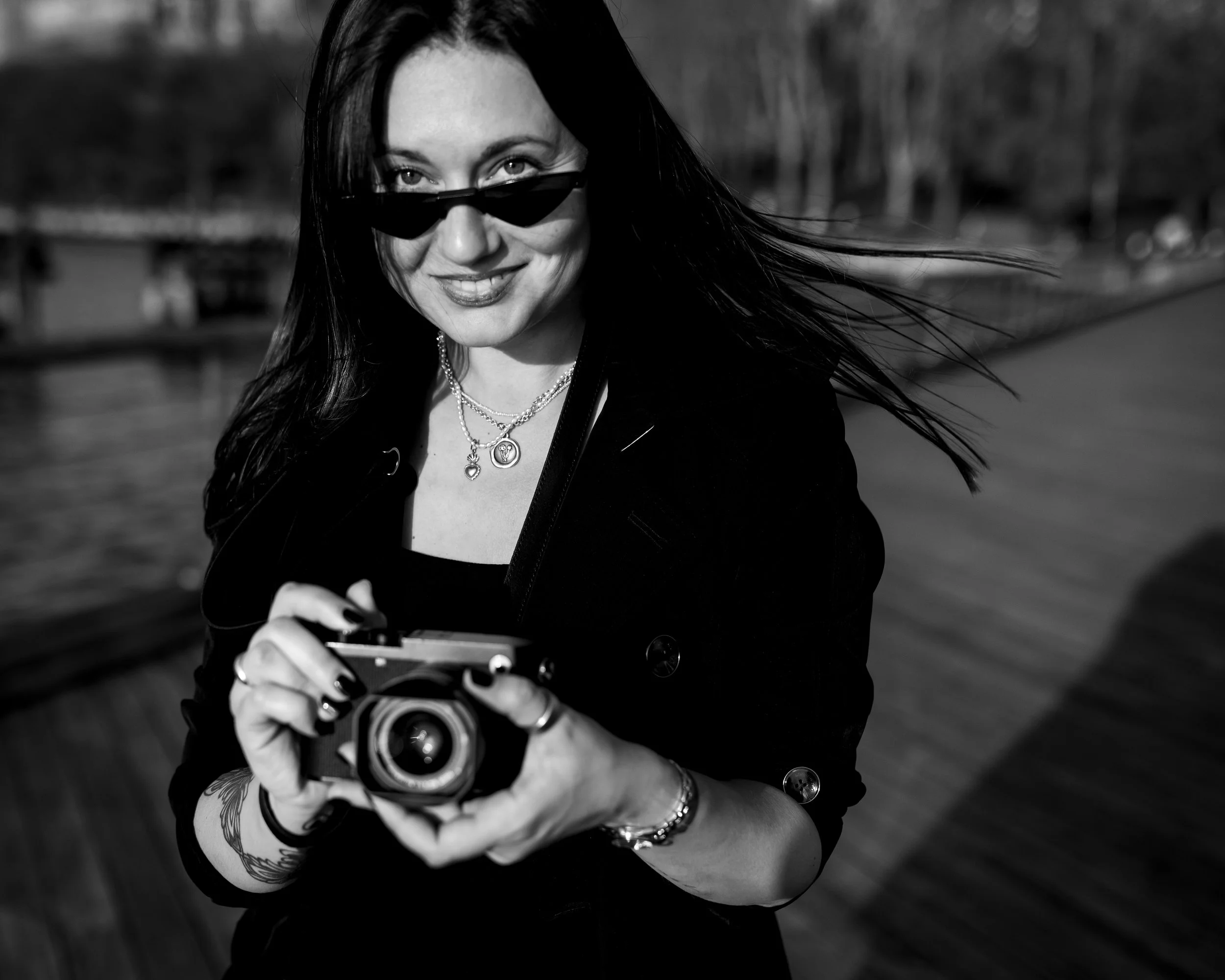
Anastasia Blackman is a Ukrainian‑born American artist whose work fuses theatrical drama and cinematic sensibility into striking photographic narratives. Anastasia read Film Direction at the Kyiv International University of Culture and Arts, before relocating to the United States as a young woman. In Los Angeles and San Francisco she established a successful photo practice and a personal branding agency, today settled in London. It is little surprise that her multidisciplinary practice has a creatively nomadic essence, moving fluidly between documentary, conceptual projects and commercial commissions across fashion, music and branding. However, it is within the creative crucible of the photographic medium – where theatre’s staging and cinematography’s eye meet – that she seems to feel most at home.
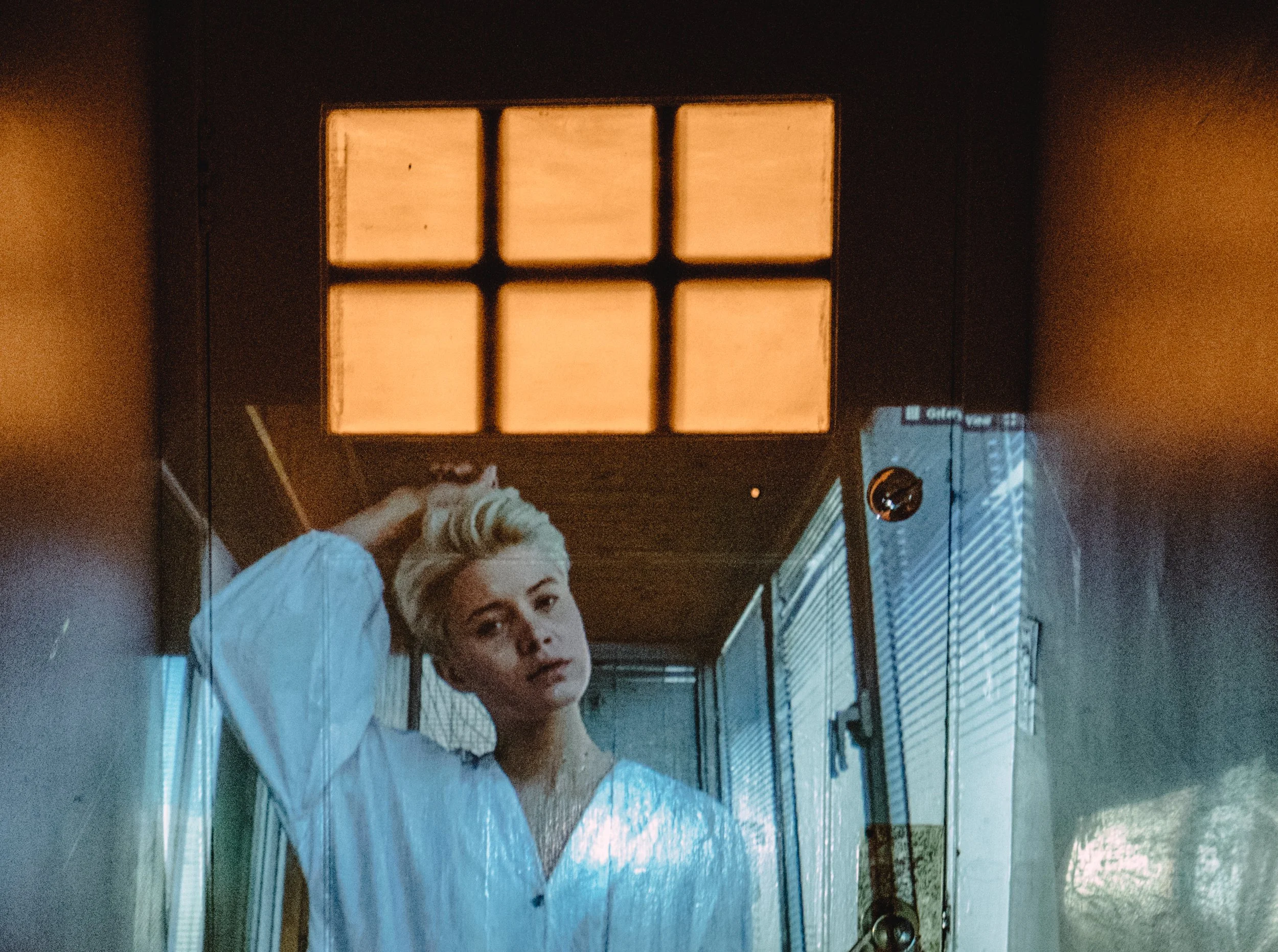
Phototeleportation, her recent body of work, grew from a desire to keep creative connections alive across distance during the global pandemic: a tender, deliberate investigation of how art preserves culture and sustains meaningful dialogue when the world fragments and daily routines splinter. Each carefully composed image in the series stands as a quiet testament to human creativity’s capacity to overcome physical barriers, to communicate across absence, and to be present for one another from afar. Every frame functions as an argument against absence, a proof by composition that two people might still share a space and make a scene together even if separated by oceans, time zones, or long stretches of silence.
Working from her San Francisco flat, Blackman assembled a modest theatre of tools – a Zoom conference call, a pocket video projector, and a camera – she discovered a way to flatten global geographic locales into a single frame and allow presence to persist despite separation. It enabled her to shoot uncanny portraits of an impressive cabal of global collaborators in a way that feels ingenious, prescient and inevitable, as if someone finally noticed that the technologies we use to call one another can be adapted to register presence, not merely connection. In this conversation with FUTURISTIC DRAGON, she discusses compressing distance to stage intimate encounters in Phototeleportation, the technical and emotional labour behind it, and what it reveals about the possibilities of remote collaboration.
The images in Phototeleportation are very haunting in their own right. How important do you feel it is for the viewer to understand the back story of the project when they encounter them?
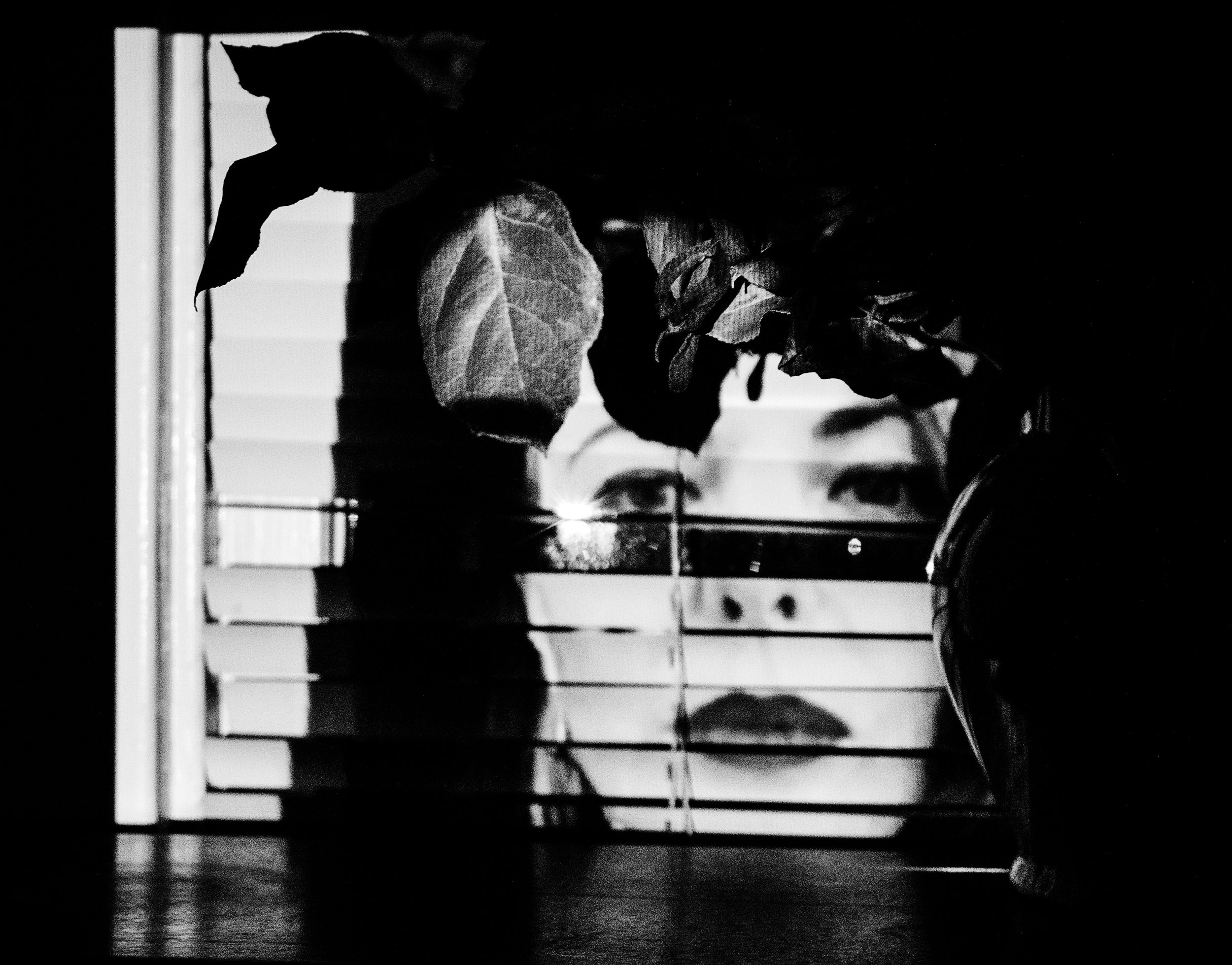
That’s an excellent question. In any story or project, it comes down to how much you want to know. Is the visual story captivating enough, or do you need to understand how it was made or who’s in front of you? That’s usually up to the viewer. Most of the questions I get are about technique, because it’s not the typical photography. One thing I always mention about the project though, is that there’s no Photoshop involved. I only removed colour, because photographing projections is tricky – the camera often records extra colours that aren’t actually there, producing unwanted rainbows. I remove the colour to reveal a clearer image, but I do not augment or edit these images. What you see is exactly how the projection was reflecting or appearing on the surfaces. If there’s space between surfaces, that gap shows between frames; if the background is dark, the projection simply falls through. Importantly, I photographed over 40 people without leaving my home, yet the subjects were in different countries and cities. If you want to know individual stories about the people captured in the project, that information is available on the website www.phototeleportation.com – I always encourage learning about them because they’re creative individuals and remarkable humans.
How did you choose the people to teleport into your apartment?
There are people I’ve known for a very long time and wanted to reconnect with, so we didn’t need introductions. Some people I’d never met but contacted anyway – like Guido Tarori – because I knew he was available like everyone during the lockdown and approachable – a dream collaboration for me. Then there were the people who reached out to me – they’d never heard my name before but saw the project and wanted to be part of it. And some people involved in the project would be so thrilled with the images, so they start introducing me and the Phototeleportation to their friends. But it actually began with a close friend. I just wanted to support and see how they were adapting, because all my friends back in Ukraine are in the film and media industry. With the lockdown restrictions, everything basically went on hold for them.
“I believe being Ukrainian gives me a perspective most people don’t have. From the very beginning, whether in the US or the UK, no matter where you’re born, you usually have a few more things at your disposal – a little more comfort, a bit more civilised society and structure”
Your own background is in film also? You actually studied film rather than photography, is that correct?
Yes, but in university you get a broad spectrum of knowledge, and that’s especially true if you talk about film direction – there are so many genres and so many directions you can take. It felt more like a key to the process to help me figure out what I wanted to direct. Especially at such a young age – I mean, I was 16 when I got into university – watching films by Antonioni or Fellini and thinking, “Wow, that’s a masterpiece; I want to create something like that.” But when you’re 16, life experience isn’t rich enough for stories that anyone other than you, or your parents and friends – would be interested in seeing. That was definitely a big opening chapter into the world of storytelling for me: learning to think about everything as a story. The documentary form inspired me the most because it showed how many real people with unbelievable stories are walking around us. You don’t have to invent characters. If you are curious and ask the right questions, someone’s life story might leave you mind-blown. The first time I called myself a photographer was in Los Angeles, where I didn’t have the production crew I’d had in Kyiv. I still had a camera, my skills, and my fascination with people. So when I offered LA something that wasn’t the usual headshot – something that told a moving story, that showed environment and character, that didn’t necessarily show the whole face but revealed something more unique and authentic about the person – it stood out.
Los Angeles is a long way from Kyiv, it must have been a very different culture to be immersed in …
I believe being Ukrainian gives me a perspective most people don’t have. From the very beginning, whether in the US or the UK, no matter where you’re born, you usually have a few more things at your disposal – a little more comfort, a bit more civilised society and structure. So seeing the struggle in Ukraine – the political rebuilding, the repeated resizing of the country, tearing it apart, changing the currency, having everything devalued overnight – shapes how I see everything else. After that experience, being in America or the UK feels like an endless playground and a source of inspiration. Things that most people take for granted or never even notice – wonderful architecture, gorgeous details, rich culture and beautiful fashion – become revelatory.
A completely different environment… You lived in America for a long time. How did it compare to your upbringing?
Yes. You cannot imagine my face the first time I was in New York. Of course the USSR fell apart ages ago, but I grew up with the choice of brown or grey because that was fashion in communism. So when I saw endlessly stylish self-expression it was, in a way, a dream come true. At the age of five I saw my first theatre play and loved it so much I begged my mother to let me join the group and perform on stage. I did that for nine years. For me the theatre was a world where everything was possible: castles and princesses, beautiful outfits and thoughtful details, and stories where you didn’t stand in line with a little piece of paper dictating how much bread you could bring home. It was a magical world where anything you wanted could become reality. At a certain angle, in a certain light, with a certain story, it was the perfect escape for me as a kid. As I grew older and became more curious about the real world, documentary filmmaking became my way to find the unique people around me — because when you rush down the street, it’s often just a crowd. If you slow down and look a little deeper, and if, like me, you’re not afraid to extend your hand and say, “Hi, I’m Anastasia – what’s your name?” then you might hear a story.
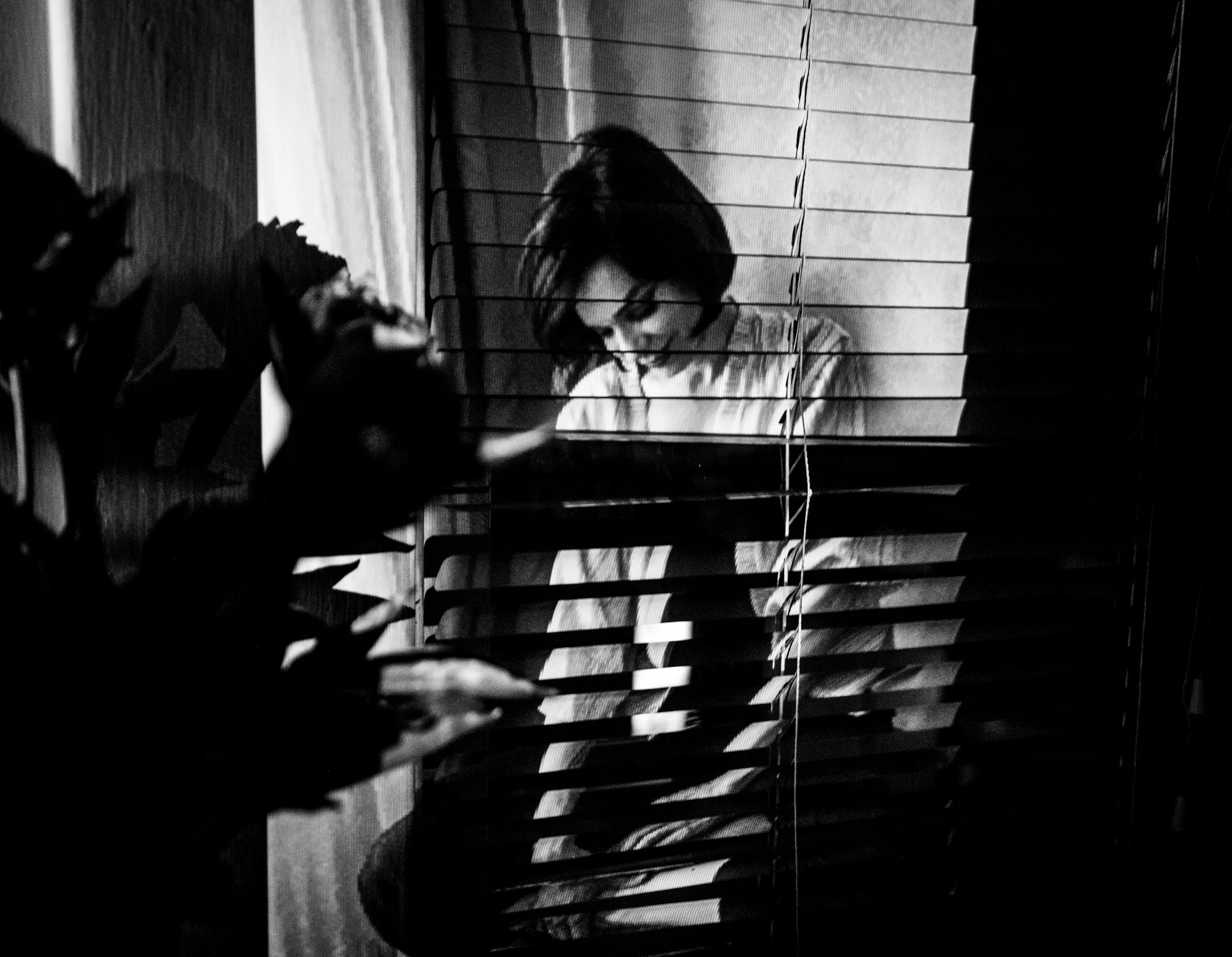
“Most of the questions I get are about technique, because it’s not the typical photography. One thing I always mention about the project though, is that there’s no Photoshop involved”
It sounds like you are very driven by connection …
Very much so. When I moved to San Francisco and realised that, unlike Los Angeles – where everyone seems intent on being bright and hoping to be discovered – people were driven to invent something that will change the world or to build the next unicorn company. You can imagine how the conversations around me shifted. I spent three and a half years in Los Angeles, then another seven years in San Francisco. The people I met in SF were inspiring and fascinating to work with. They were more dedicated and respectful of the time and value you bring.
A very different kind of demographic … How did that change the way you photographed people?
None of them were models, so all of them were convinced they weren’t photogenic. My job became breaking through that belief: yes, they might be older and never on the cover of a beauty magazine, but they have so much character and life story to work with. The challenge and the joy was choosing the right location, style and narrative for them to share their stories, because they were either too busy or too humble to tell those stories themselves. For me, photography became a psychological inquiry: why is everyone around me so opposed to being in front of the camera, even though everyone needs photos? I started reading books about nonverbal communication to explain that if you look into the camera and all you think about is how much you hate it, or how uncomfortable you feel, every microexpression will broadcast that feeling. There’s no way you’ll like that photo. So my shoot will start with the walk, and a long conversation, and then developing a mantra or message to bring into the session.The person, what they want to communicate with that image, and where it’s going — the human connection before the image, the thing that helped reveal the person behind the idea or the business — was essential to me. So I built, in San Francisco, a successful personal-branding business, working with politicians, philanthropists, activists, investors, entrepreneurs, and other movers and shakers in the city.
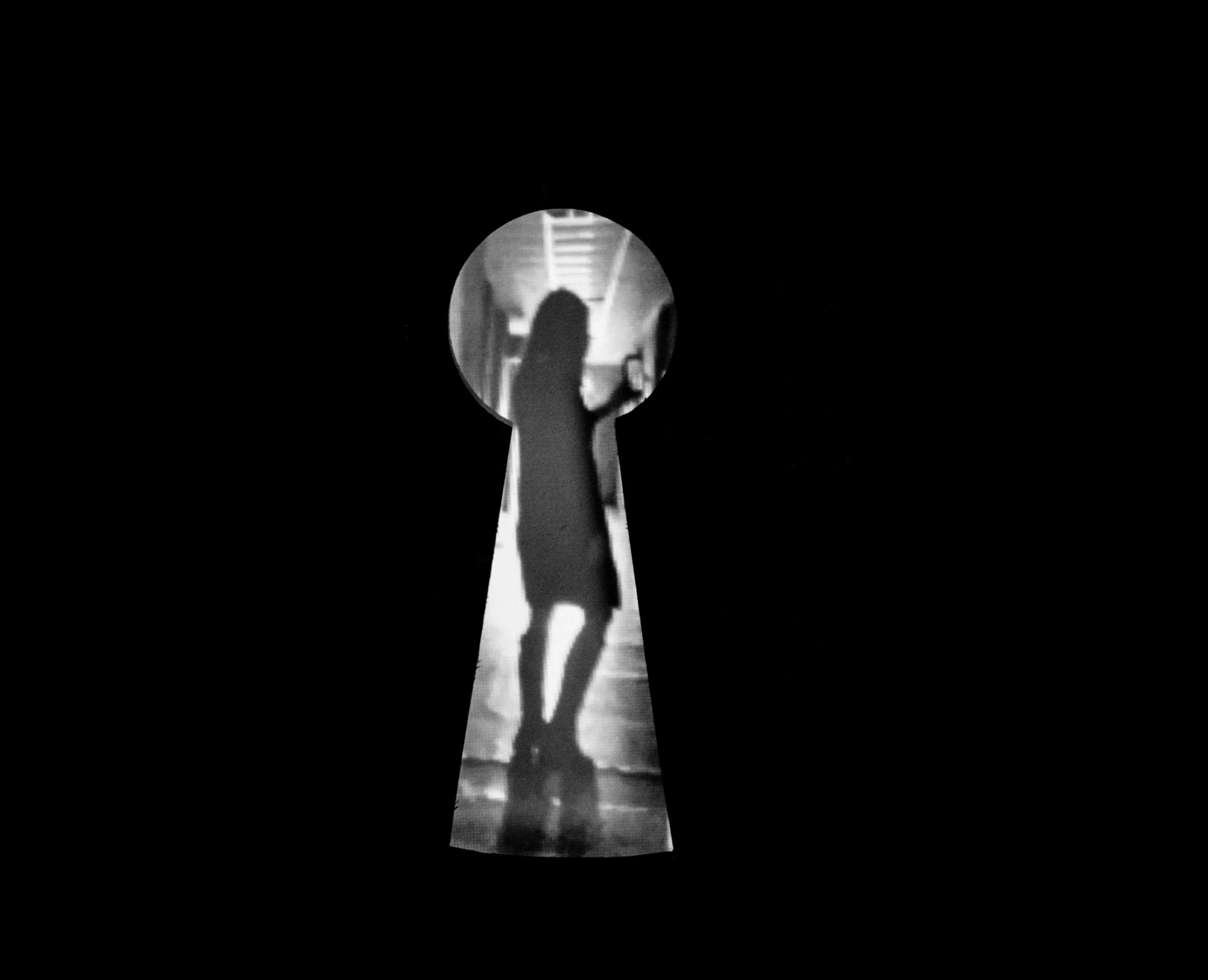
“I believe everything in the world is interconnected and affects everything else, even if you can’t see it in front of you. It’s your butterfly effect – it reaches far beyond what the mind grasps at first”
And it was in San Francisco that the Photoeleportation project began?
Then, of course, the pandemic changed everything. For me, being at home felt almost claustrophobic. I started reaching out to people I knew well, people I could be vulnerable with, who worked in similar industries where seeing others is essential – if you don’t, how do you shoot? We talked a lot about those challenges. One night, I was so frustrated to stare into the screen, that I took out my video projector, and suddenly my friend was on the curtains looking at me through the window. And that’s how it started. I took a picture, and I thought, there is definitely something there – because if she’s in Ukraine, it’s still a different day for her and me, a ten‑hour time zone difference. It would be my late night and her early morning. I thought, isn’t it funny how I just teleported her into my space from a different day, a different hour, a different country. Isn’t it fun? She is a model and a journalist and a very creative person – her name is Marta Borovets— and she picked up on it. The very first session was me trying to bring my friend into the same room, and she understood I was onto something and gave me time to figure out how it was going to work. We spent hours while I tuned the projector, set the camera so it wouldn’t show the rainbow. It’s a beam of light; it’s nothing tangible, and photographing a beam of light is complicated – which I didn’t know then. I’d be shooting, thinking I was seeing a beautiful image, and then on the playback it would just be a bunch of noise and rainbows. It took a very long night and a very loyal friend until I was finally able to get some clear images. Then, of course, this first trial went quite successfully, and I began to photograph people all over the world without leaving my apartment. How crazy is that? For them, too, to be part of something they couldn’t necessarily understand at first, but when they saw it, inspired a sense of wonder: to be somewhere they weren’t and to immerse themselves.
Why do you think you felt so strongly that you needed to make that kind of connection?
Because at my core I believe everything in the world is interconnected and affects everything else, even if you can’t see it in front of you. It’s your butterfly effect – it reaches far beyond what the mind grasps at first, and beyond the level of knowledge you were exposed to. I found myself in the unique position where my life experiences and the choices I’ve made were often unpopular and risky. I chose to be a self‑employed storyteller, travelling the world and carrying my work everywhere I go. When I connect with someone and their story inspires me, it usually becomes a project. I believe every small action can have far‑reaching effects. If you have good intentions and your action isn’t mindless – if it’s done with some clarity – it can change something major on the other side of the world. Of course there are global events, like a pandemic or wars, that impact people everywhere; distance doesn’t make you immune. I’m trying to train my brain to think in scales. From my small positive action to global actions that we often disregard because it’s too far or too big. I’m trying to observe all sorts of connections that, at the end of the day, impact us.
Find out more about the artist here / Discover all of the works in Phototeleporation here
Get up-close-and-personal with artists from all over the world and unlock the mysteries of the creative mind.
Read in-depth interviews with the most exciting cultural movers and shakers shaping the creative landscape.
Discover the actors, authors, designers, mavericks and entrepreneurs at the bleeding edge of cultural life