STYLE & CULTURE: INTERVIEW
Transmissions of Joy: Charlotte Rose
Pop Art, Deceptive Advertising And The Power Of Repetition
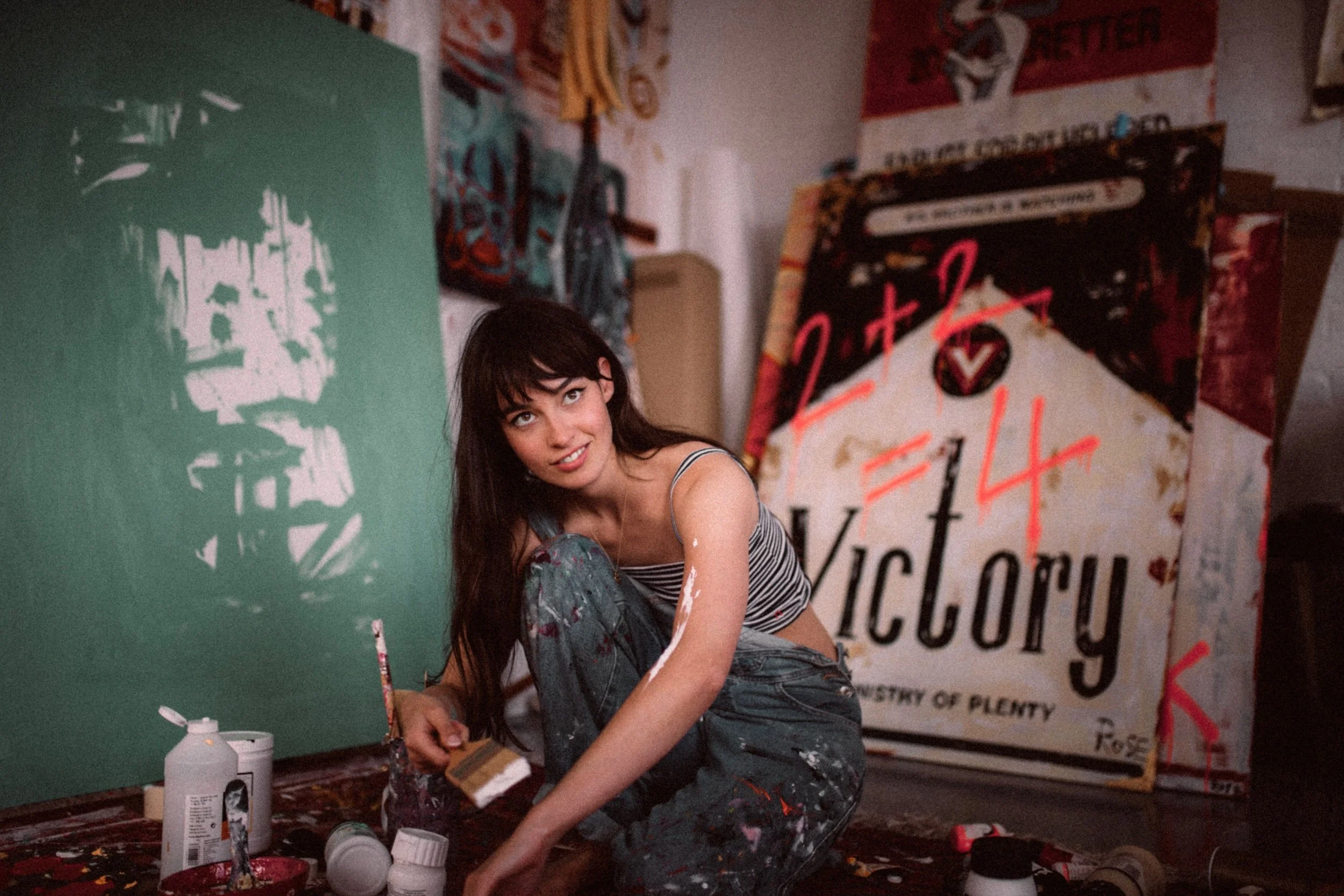
The British model and artist Charlotte Rose emerged into view in the locked-down world of the global pandemic, when she began to post work on Instagram – posts that were not mere announcements, but invitations to a narrow, fluorescent room of surfaces where paint is applied with the blunt intimacy of a spray can. Her paintings present themselves as objects of commodity and of attention – repetitiive iterations that insist on being read as both commodity-signs and as small acts of resistance.
There is in her work a satirical lineage: the wink toward Harland Miller, and the mechanised reiterations that recall Warhol. Yet Charlotte’s repetitions are not merely mimicry of mass-production; they are repetitions that stage an absence. The spray-can finish, the gloss, the pop brightness — these surfaces speak of consumption and of display, but also of a certain tenderness toward the photographed or painted object: the careful placement, the tilt of a can, the insistence on a motif returned to again and again until the viewer begins to feel what it hides as much as what it shows.
Viewed on a small handheld screen, the repetition in her works function like a refrain; you scroll, you return, you begin to map out a private grammar. What she borrows from pop — the economy of signs, the flattened spectacle — she turns toward an interrogation of solitude and spectatorship. In that sense, Charlotte Rose’s art does what all good pictures do: it asks the viewer to acknowledge the conditions of looking, to notice the social frame that surrounds the image, and to think, briefly, about the distance between image and life.
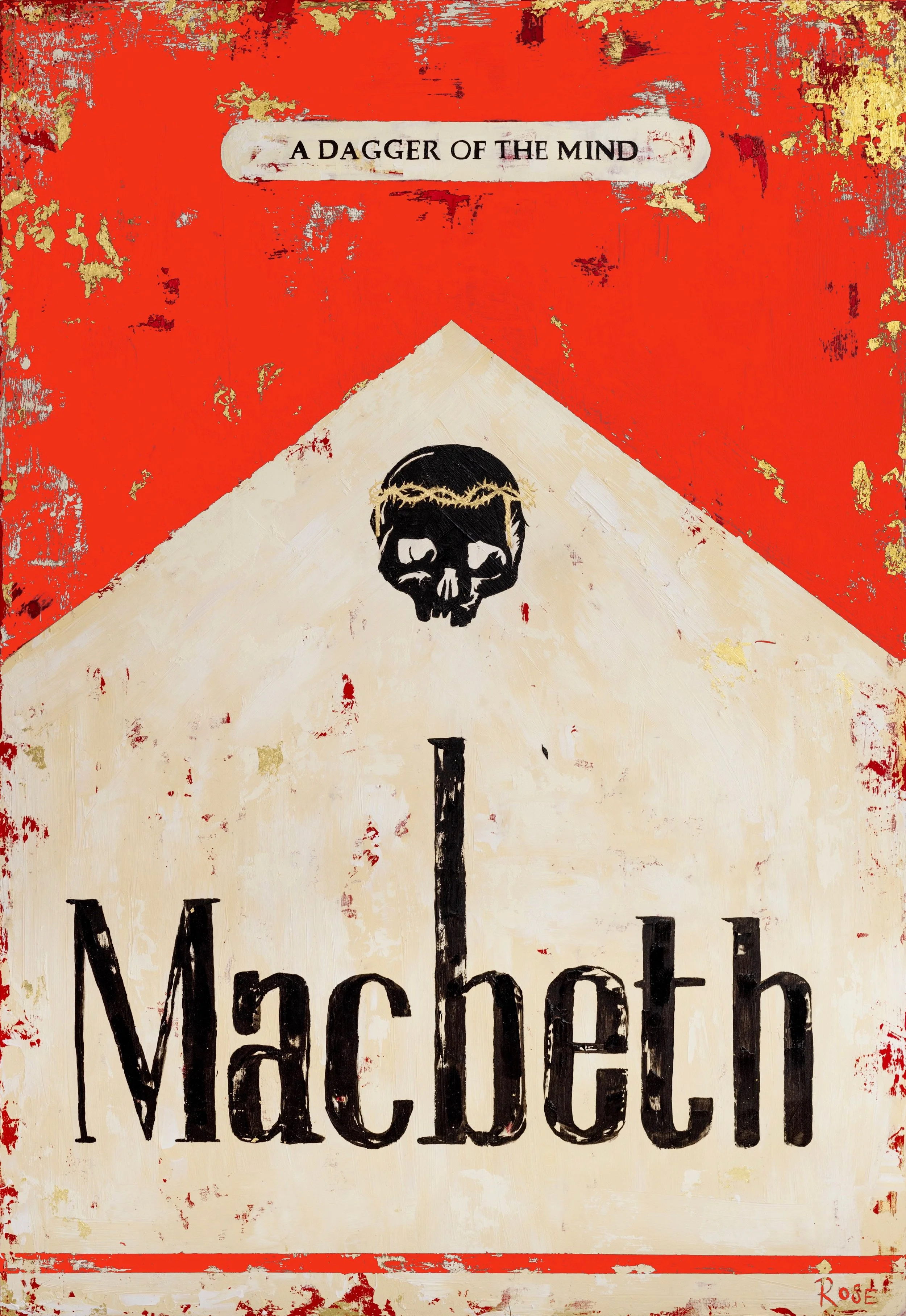
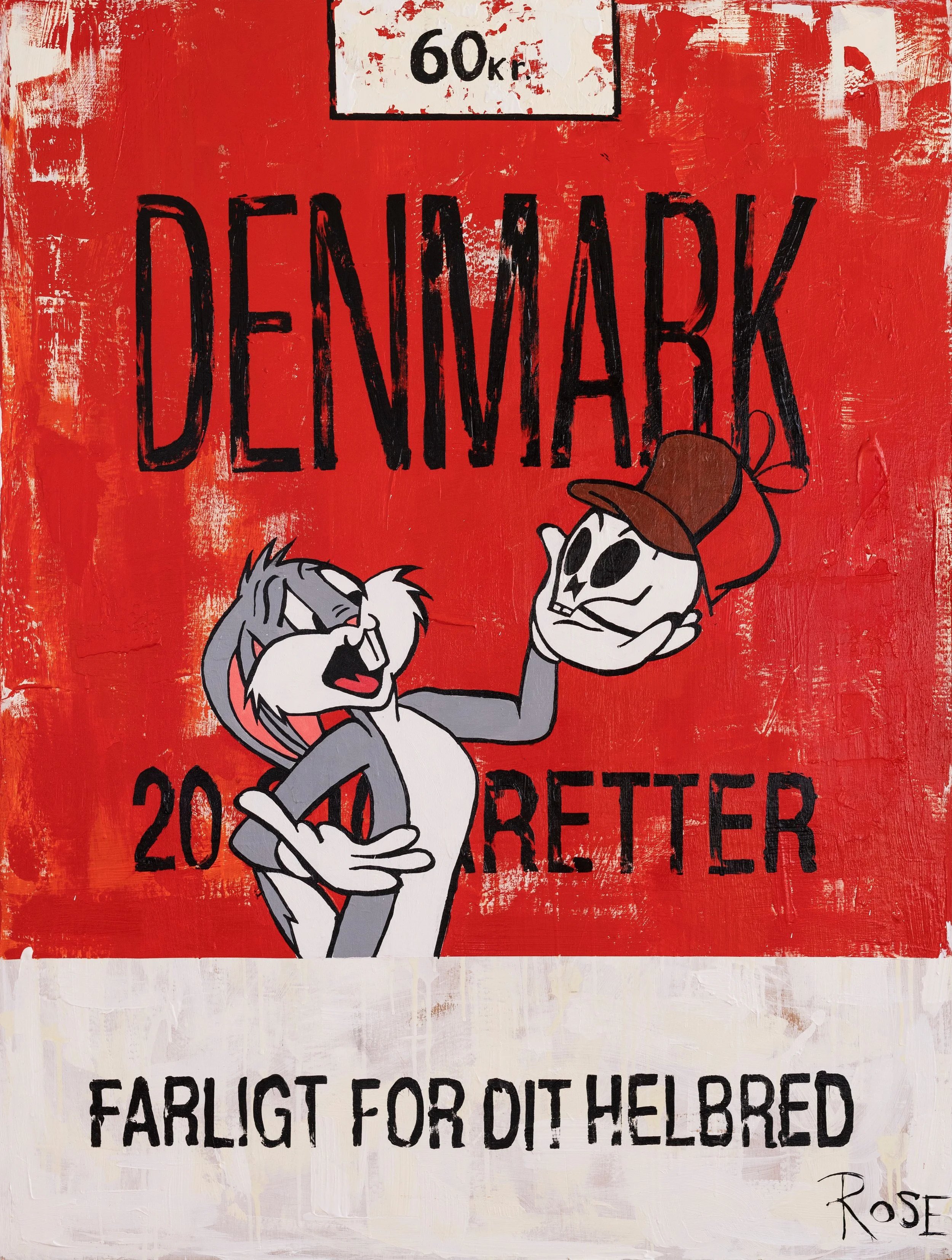
Her oversized cigarette box paintings, adorned with slogans such as “Burn It All Down” or the titles of plays by William Shakespeare, and other such literary luminaries, have proved hugely popular across the globe. FUTURISTIC DRAGON took some time out with the artist to discuss her her the playful subversion of consumer culture, and find out why she is committed to the act of repetition.
Where did your passion for painting come from, and why does so much of your work reference literature?
Literature and art has always been there in the background of my life. My mum's an artist, and my grandparents are artists, so painting has been present since very early childhood. As a teenager, I initially moved away from painting because I felt that I wanted to do something very different to my parents. I thought that I wanted to be a writer, and that that was where I wanted to go with my life. I studied literature and creative writing at university, but, by the time I had graduated, I came to the realisation that I didn't really enjoy it, or wasn't that good at it. I had always liked the idea of being an academic, but I don't think I've got the patience it would take to write a thesis on Paradise Lost. I mean, I have the knowledge of John Milton, William Blake, and Shakespeare, because that was my first love. But when I went back to the painting, I realised it was what I was meant to be doing the whole time. The interest in literature was essentially about creating characters, or creating a world, but, in a sense, painting is now satiating that part of me.
“I always liked the idea of being an academic, but I don't think I've got the patience it would take to write a thesis on Paradise Lost”
Why are you so drawn to repetition in your work?
I just really like the satisfaction of seeing something over and over again in different ways - or finished, for example, in various different colorways. I am hugely influenced by the sixties and, particularly, the Warhol factory, and that sense of playing with branding and advertising. Warhol is such an icon of that era, and I love that he used a lot of models and it-girls to create this sense of a world. l also love that he was kind of the first celebrity artist, and the way that played with that notion of celebrity. I really like the architecture of that whole thing. A very large part of my own work is about me filming myself in the environment of my art studio, and that image is part of the whole package of what I am doing. I've definitely utilised social media, and I love having fun with it. Painting for me is very joyous, and I want to communicate that. I’m not interested in the tormented artist trope. I'm very positive, and I'm trying to be joyful and authentic in what I do.
Do you think the trope of the tortured artist becomes a kind of beacon that sends people down negative pathways of being?
Yeah. I mean, I love writers like Bukowski, but I think it's such a damaging idea that to be a successful artist you have to be tormented in some way. I'm trying to be the antithesis of that. I do think that if the idea is that to be a successful or serious artist, you must fit inside this kind of 'tortured' criteria, then people will start to look for that darkness and be pulled into that. I mean, everyone has demons, and everyone's a little bit fucked up, but that draw torwards darkness can become a bit of a spiral, I feel. I want to convey that it's okay to be happy, and it's okay to be positive, and also that it's okay to show that through your artwork. I actually think that has always been quite true of pop art in general, which I guess is the genre of art that I create. My career in art has given me an extreme sense of purpose, which I lacked completely before. I have to do this now – it's a compulsion, and if I don't have it, then I am nothing.
You have also had a successful career as a model, how has your background in modelling shape you as an artist?
I think the positive thing about modelling from a very young age is that you are exposed to creatives at the top of their game – you are shooting with the best photographers, and working with all these creative people that you'd never even dream of meeting otherwise. I was really inspired by that as a kid, because just being in the same room as someone who is so inspiring at a young age is very valuable – especially when you're starting to figure out what you want from the world. The thing that I always struggled with as a young model, though, was not being in control of anything creative. I desperately wanted to collaborate in the vision, but, of course, you can't do that as a model, because you are literally a clothes hanger. Once I started creating artwork and publicising it during the pandemic, my agency started promoting me as an artist. I suddenly had more creative vision on shoots, and it became much more interesting to me.
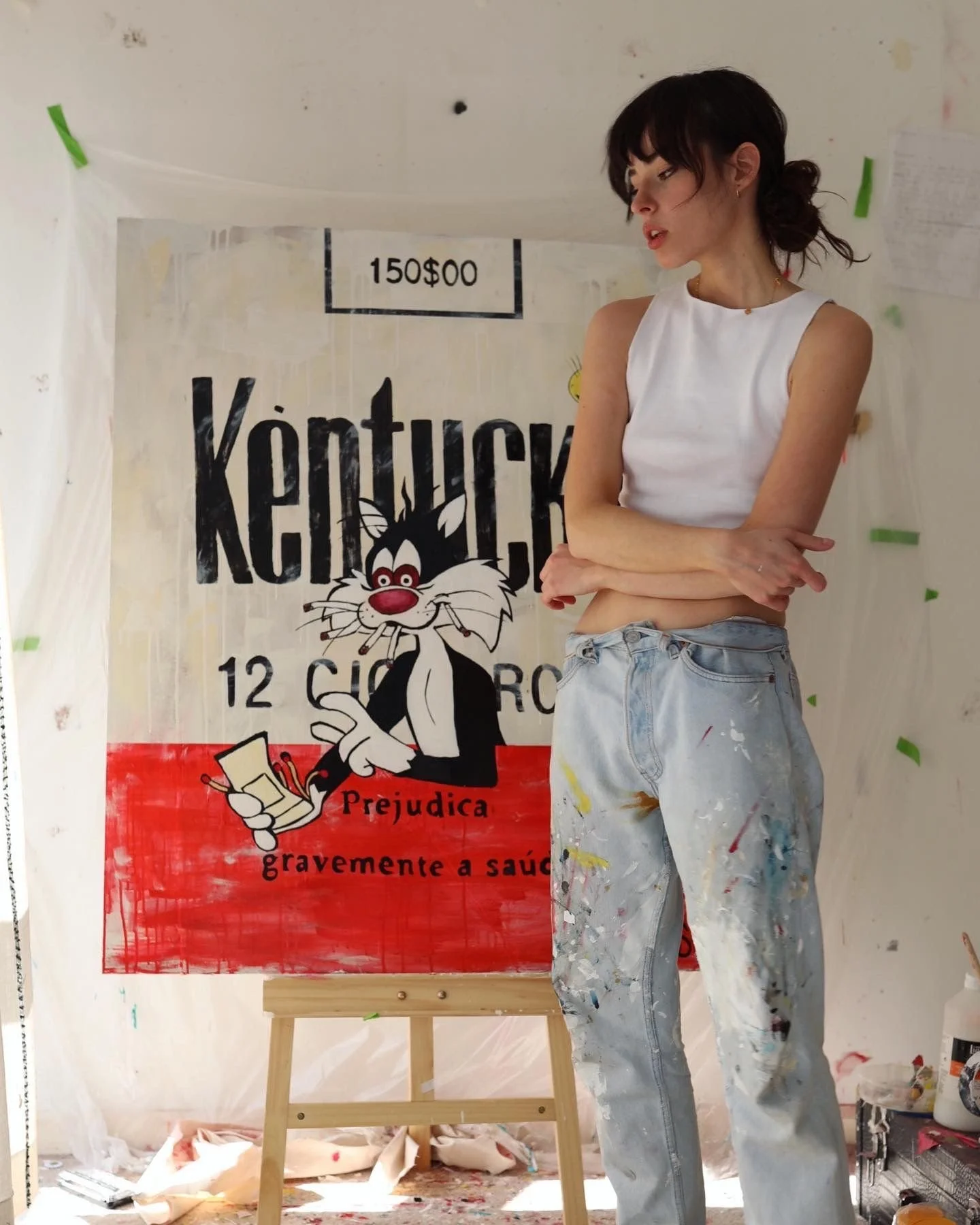
“Painting for me is very joyous, and I want to communicate that. I’m not interested in the tormented artist trope.”
Why are you so drawn to marketing in your work – subverting classic cigarette advertising and so on?
I think in all of my work I am playing with nostalgia. I chose the topic of big tobacco and cigarette advertisements because I think there's a lot to explore in the fact that it was always both seductive and dangerous. It sold this lie to the consumer that it was almost a good thing to smoke, when it was actually a poisonous thing – I'm fascinated by this siren-esque branding that pulls you in with sexiness, while it is really just poison wrapped up in a pretty bow. I also love the graphic design of cigarette boxes, because it's such a small surface area to get so much design work into. It’s funny to me that so many people ask me why I am promoting smoking, when, actually, if you look at the work, you'll understand that I'm poking fun at the deception in the advertising. I don't mind people fighting over it, though, or being angry at me. I think that is all part of the game. Whenever you are hitting half a million views on something you create, you are bound to get some haters.
All images courtesy of the artist.
Portraits of the artist by Alex Hutchinson
Get up-close-and-personal with artists from all over the world and unlock the mysteries of the creative mind.
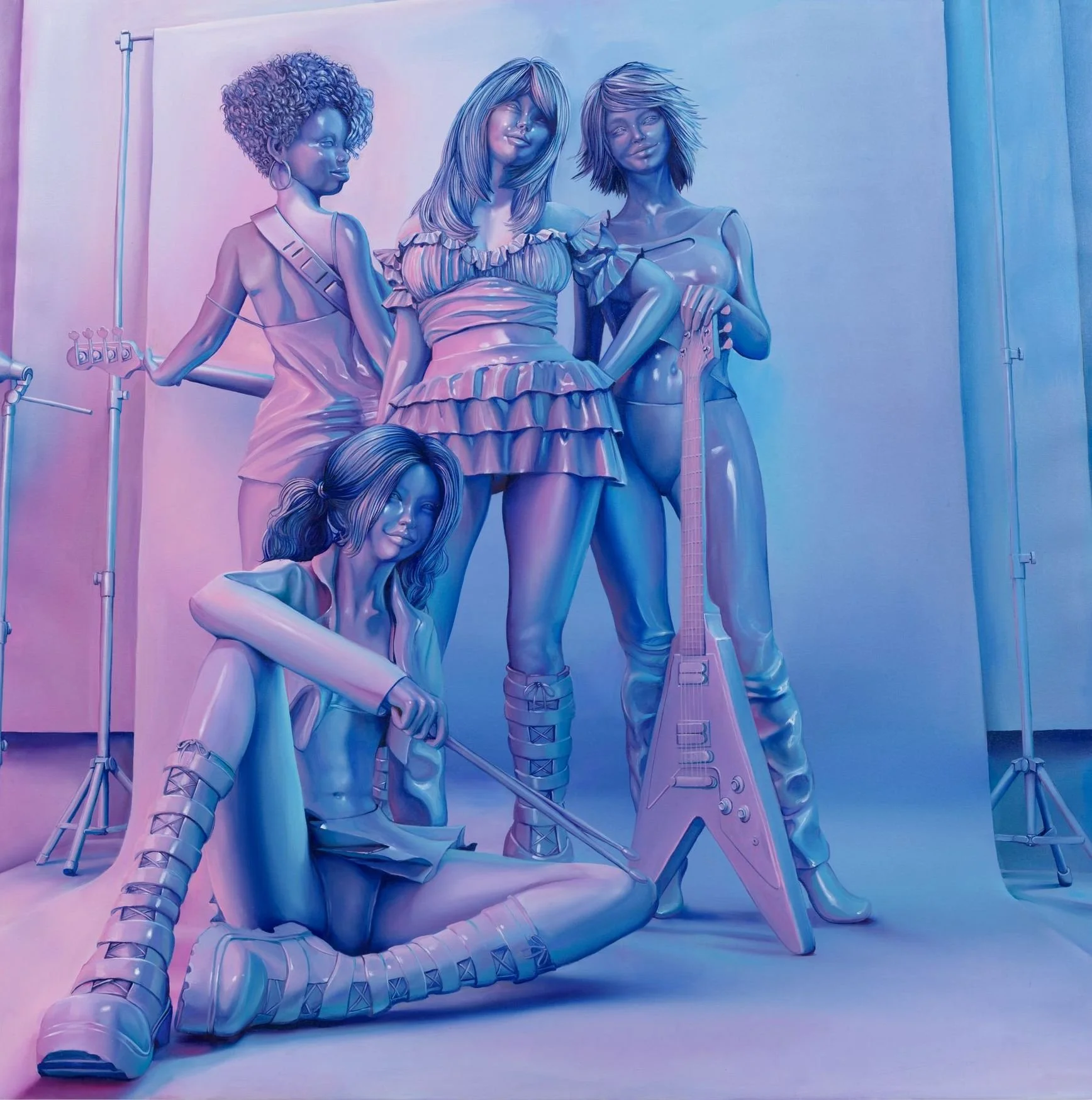
Read in-depth interviews with the most exciting cultural movers and shakers shaping the creative landscape.
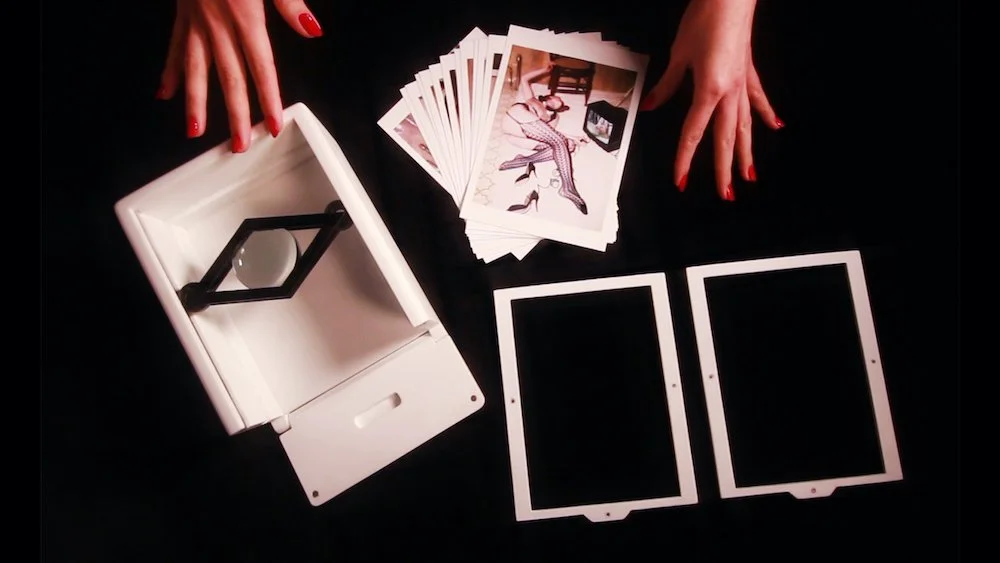
Discover the actors, authors, designers, mavericks and entrepreneurs at the bleeding edge of cultural life