PEOPLE & SOCIETY: INTERVIEW
Emotional Chameleon: Nell Hudson
Hedonism, horror movies and authorship that deals in class anxiety
BY JOHN-PAUL PRYOR
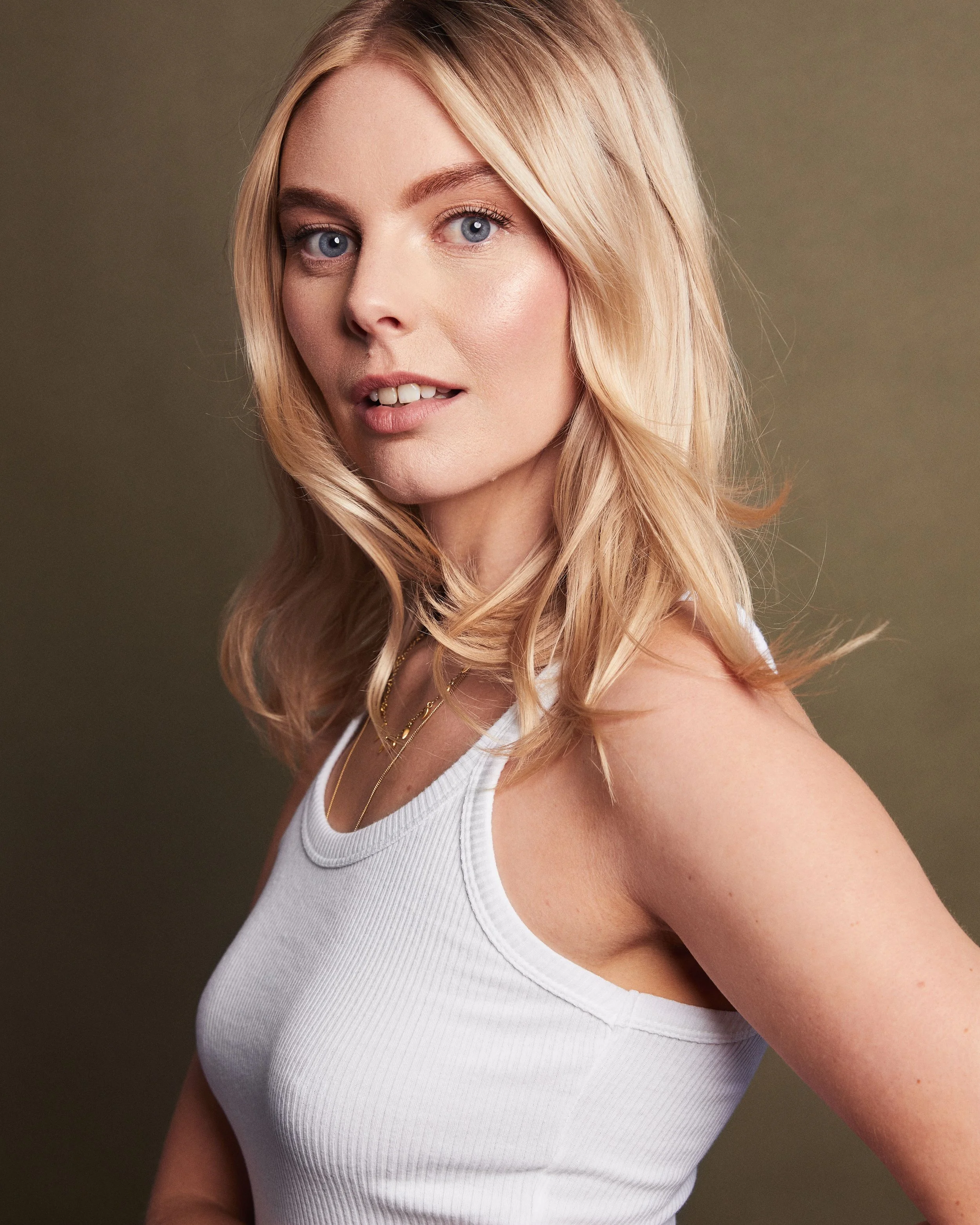
If you have ever seen the British actress Nell Hudson on-screen, you’ll be well aware of the sense of hidden depth she brings to every role she takes on, whether that is appearing in a classic costume drama or a horror-soaked splatter-fest like the reboot of the once-banned Texas Chainsaw Massacre. It’s perhaps no surprise then to find out that the actor also had a novel quietly taking shape in her psyche for a good few years. Her coming-of-age tale Just For Today describes a hedonistic New Year’s Eve party in London that gives way to that limbic comedown space known as early January, when all life seems to be on hold, and it offers a wry outsider’s view on a certain species of laissez-faire upper middle-class privilege before taking a somewhat darker turn.
She first came to public attention for television work that leaned into period drama: notable among these was her role as Laoghaire MacKenzie in the Starz adaptation of Diana Gabaldon’s Outlander, where she played a character whose emotional volatility demanded a precise, layered performance. That capacity for nuance carried over to a string of roles on British television and film that showed an actor comfortable with understatement as well as explosion. She has since cultivated a reputation for choosing projects that offer strong, complicated female perspectives. Critics have frequently noted her ability to register micro-emotions — a glance, a posture, a barely audible intake of breath — which makes her performances feel lived-in rather than performed.
Just For Today is the product of several years of private reflection, penned in fragments around shoots and rehearsals, gradually assembling a narrative that balances observational wit with a careful excavation of shame and class anxiety. Outside her professional life, Hudson maintains a relatively private persona. She is active on social media but tends to use platforms to highlight projects, support creative peers and share glimpses of process rather than cultivate celebrity, and speaks keenly about the responsibilities of representation and the pressures placed on women in the entertainment industry. FUTURISTIC DRAGON took some time out with the debut author to discuss working across disciplines, the art of storytelling and the physical toll of acting within the emotional spectrum of terror.
What inspired you to want to write a novel?
To be honest with you, it was very much one book in particular that inspired me, which was The Secret History by Donna Tartt. I completely devoured that book when I was about 19 years old, and I just utterly fell in love with the camaraderie of her cast of characters – I longed to be a part of their friendship group. Another book would be one that I read when I was really young – I Captured The Castle by Dodie Smith, which is another kind of coming-of-age heroine novel, and a very romantic and escapist book. I think I was so much was trying to copy Donna Tartt when I set about writing that I originally had a murder in the book, which very much isn't the tone of it now. I suppose I didn't really know what I was setting out to do other than just create a world into which a reader might love to escape, and it felt like New Year's Eve was a great place to kick things off. There’ s a bit of a literary cliché of a novel starting on a character's birthday, in order to symbolise a beginning or a fresh start, and I suppose I was doing the same thing. Hopefully, the stakes of beginning at a New Year's Eve party are sufficiently high to grip the reader and kind of pique their interest.
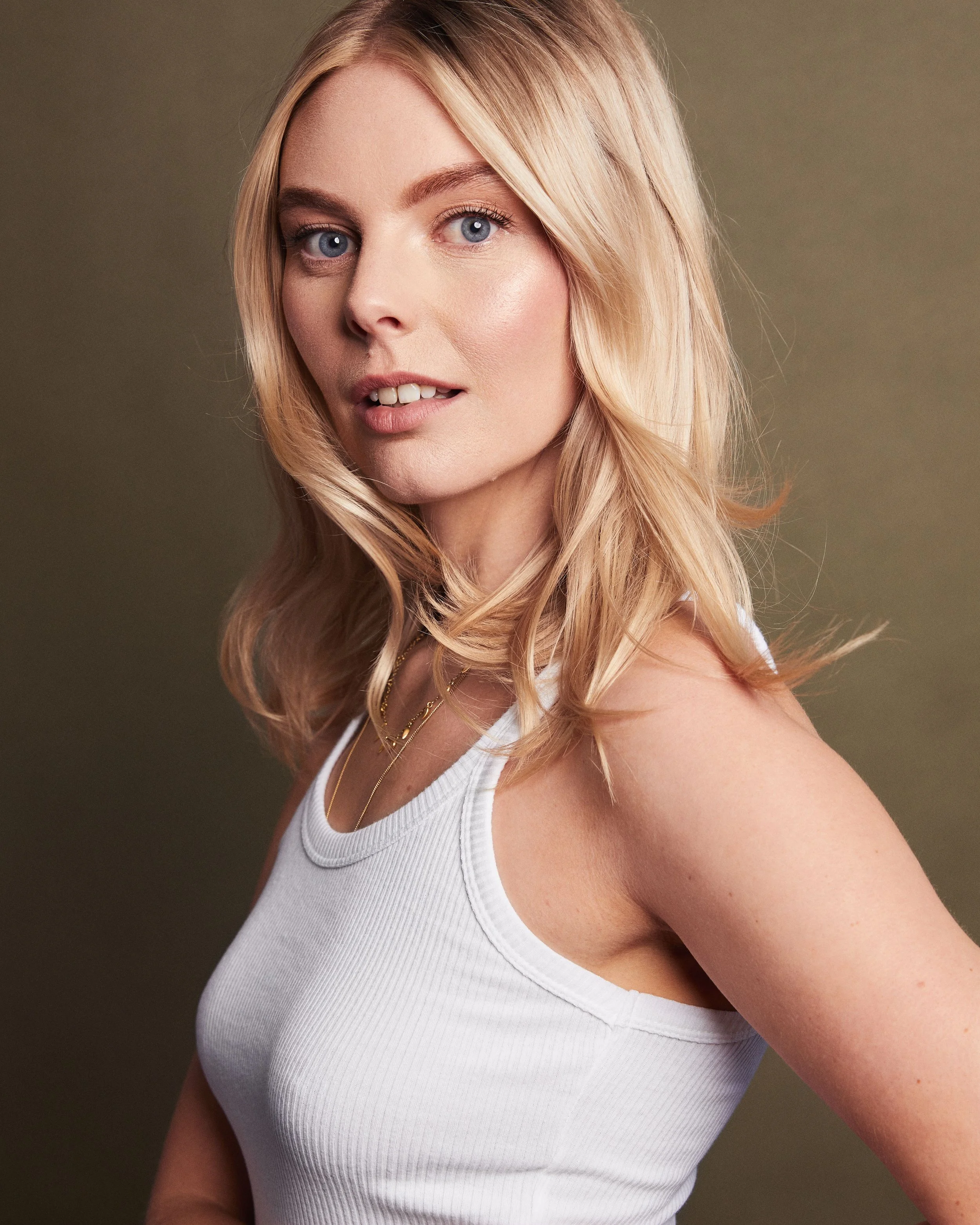
“Femininity is important to me. I consider woman as the source of creation, in a way – the bringer of life.”
What is narrative arc of Just For Today?
The book follows my heroine, Joni, who is living in London, having dropped out of university. She is sort of floating through life without taking much accountability for her choices, and is feeling almost like a passenger in life. And, if you’ll excuse the tautology, the book is book-ended by tragedy – opening with tragedy and ending with tragedy, and while the first one sort of frightens my heroine, and leads her, if anything, even more into her safe nest of hedonism and freedom, the second one forces her to look at that behaviour, and suggests that actually maybe something needs to change. I really enjoy the more edgy side of things, so I kind of wanted to explore that.
How much does your experience as an actor inform your writing?
I think acting has informed my writing in that I'm hypersensitive to dialogue and how people actually speak, so when I was writing a scene that was quite dialogue heavy, I would say the lines out loud as if performing them. I did that just to make sure they sounded real and natural, because I think it's really jarring when you are reading an otherwise really good book and the characters just don't talk like people. I think in terms of similarities between disciplines, there aren't that many, though. Obviously, they're both storytelling. What I really enjoy as a writer is that I'm completely in control of the narrative, and it's all up to me. You are such a small cog in the vast tapestry of a project when you are an actor.
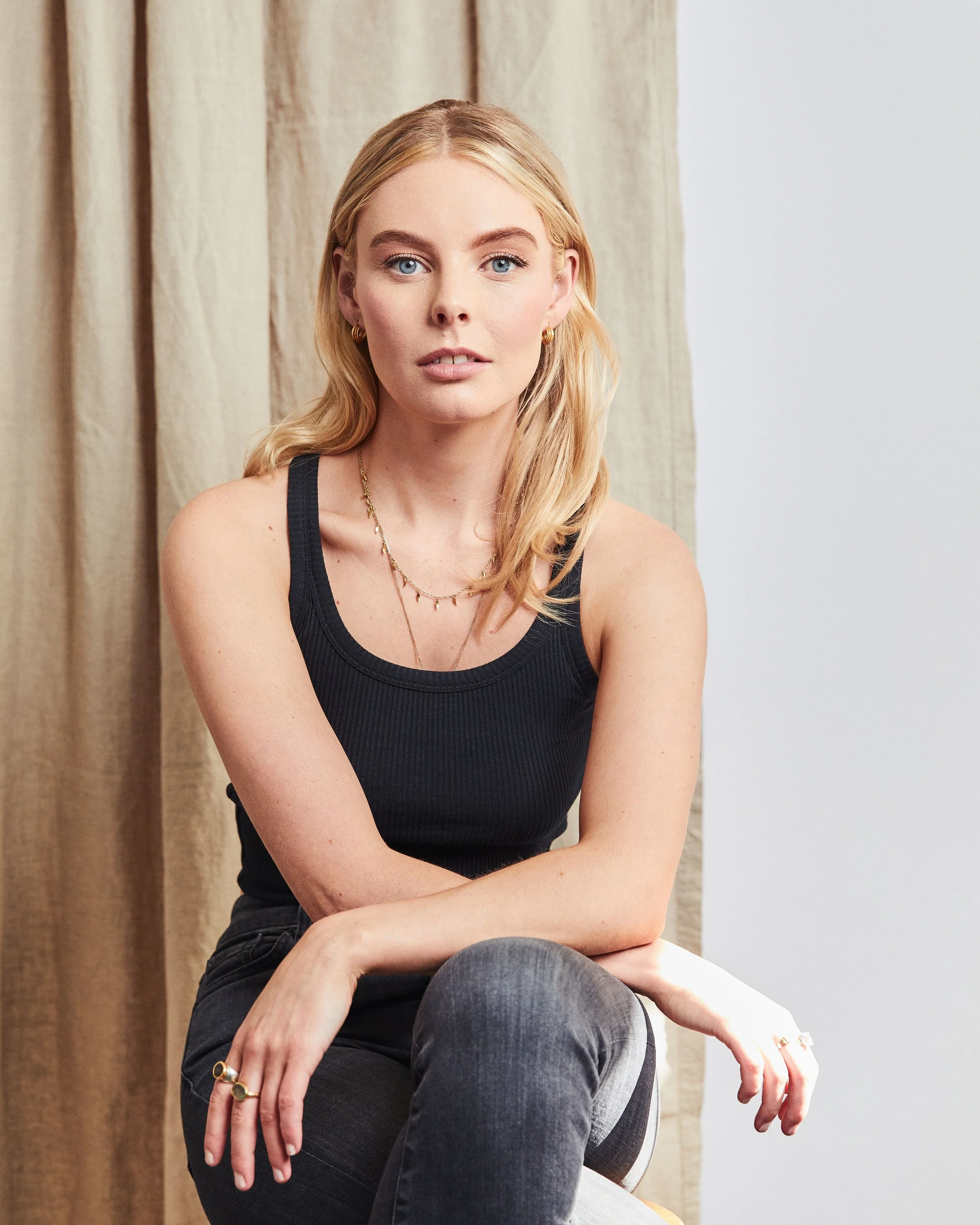
“Beauty is always there, every day in our lives, but we don’t look for it enough”
Your most recent acting role was in the reboot of Texas Chainsaw Massacre. What attracted you to that role?
Well, when I was growing up, Texas Chainsaw Massacre was still this notoriously gruesome film that was kind of legendary and taboo, and I’m a fan of horror, I’m always up for being scared. I hadn't actually seen it until I got the job, and then obviously I thought I'd better watch the original – I can see why it was banned, because it's just so horrific! It was a learning curve to work on a genre film of this kind, because when you are filming really violent scenes, your intellectual brain knows that you are completely safe and this is pretend, but your atavistic body is like, “We're in danger! We're in danger!” Filming that sort of violence does take its toll on you. I think maybe part of the enjoyment from horror comes from the thrill of dabbling with the concept of our own mortality, which so often we spend our time avoiding. It’s a sort of safe danger that exists within the arena of knowing that nothing bad is actually happening.
What do you consider your greatest achievement in life so far?
I think in a general sense, my biggest achievement has been being able to support myself by doing the things I love. The book feels like a really big achievement, because it came entirely from me and my own imagination and hours and hours of hard work. Also, the book is kind of an ode to my 20s, and I think in that decade, I had a view of what 'achievement' was and what life was supposed to look like as opposed to what life was actually supposed to feel like. Now I'm in my 30s, I can tentatively say that I'm focusing more on how life feels rather than how life looks. I'm just sort of shifting my priorities with acting, and turning down roles that don't interest me, which in my 20s, I would never have done because I felt I should take every job in order to build a CV and pay the bills. Now I can kind shift the focus a little bit away from the demands that are inherent to being an actress in your 20s. It's nice for me to have writing as well as the acting, because it kind of reminds me that I am not just a product.
Introduction & Interview by John-Paul Pryor
Portraits by Sophie Traynor
Get up-close-and-personal with artists from all over the world and unlock the mysteries of the creative mind.
Read in-depth interviews with the most exciting cultural movers and shakers shaping the creative landscape.
Discover the actors, authors, designers, mavericks and entrepreneurs at the bleeding edge of cultural life.