STYLE & CULTURE: INTERVIEW
Dark Star: The Douglas Brothers
Lost Archives, Elusive Beauty And Photographic Innovation
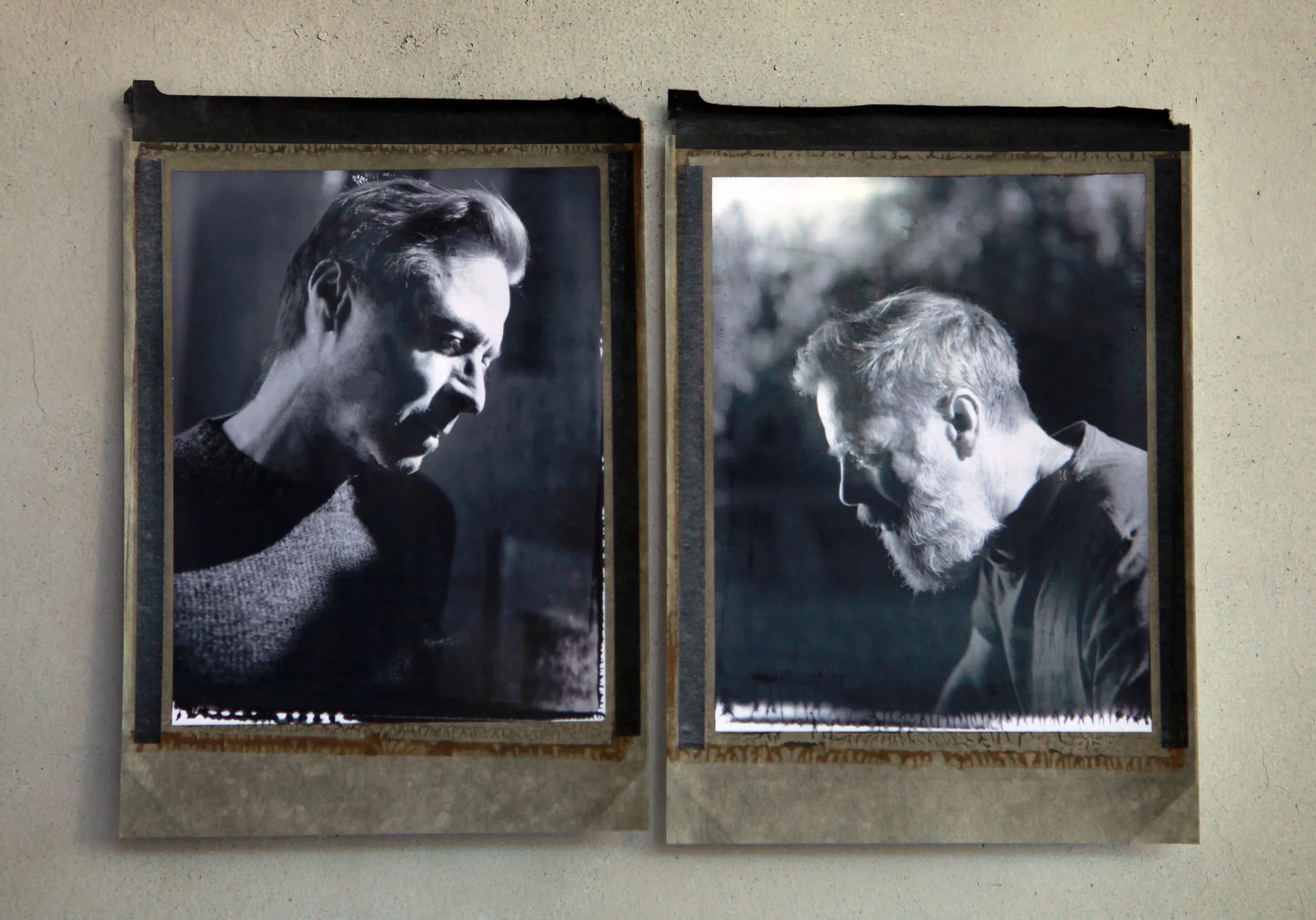
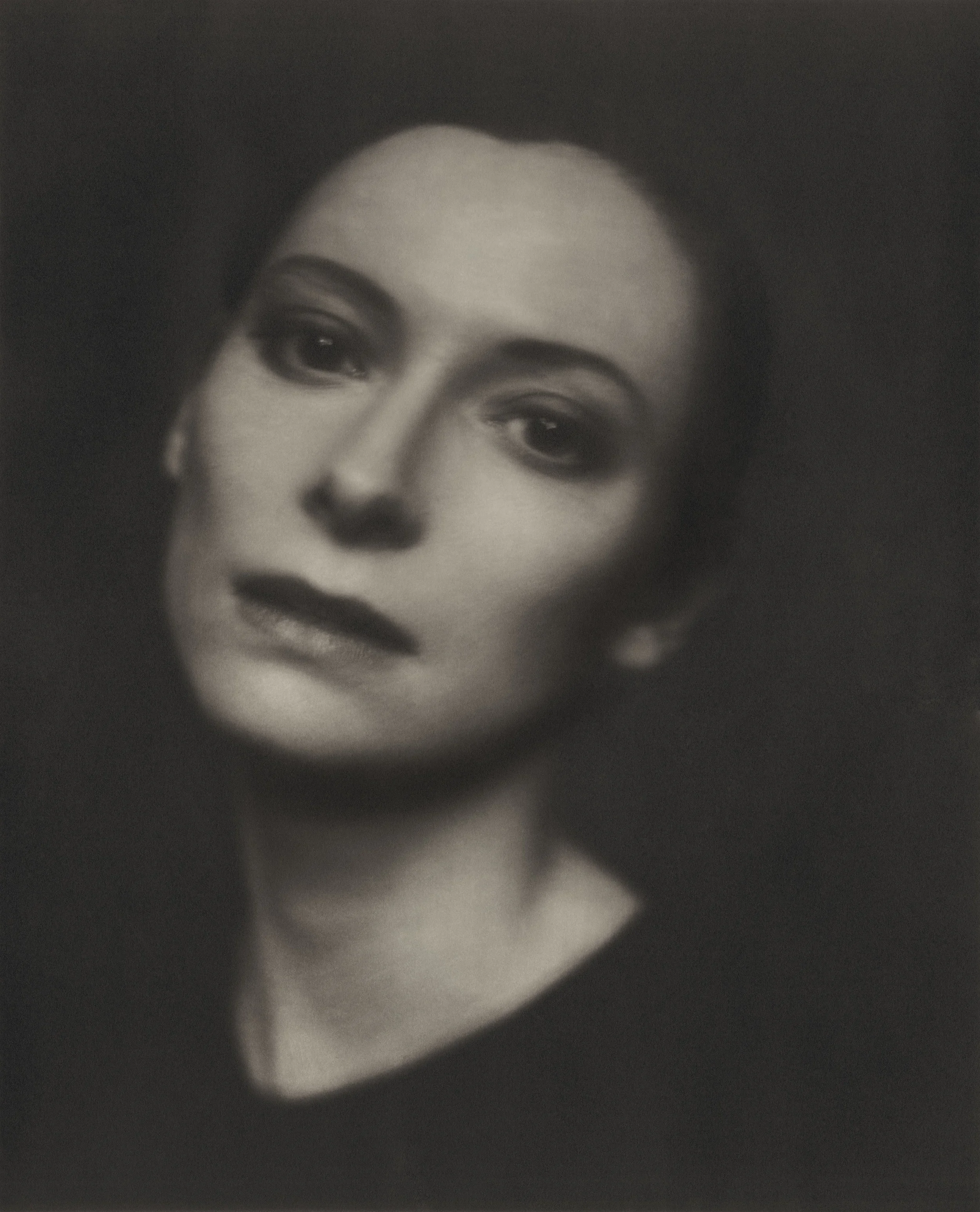
The Douglas Brothers emerged from the Trainspotting-esque hinterlands of Southend in the late 80s, and their name became an unusual staple in the credit roll of early ’90s underground portraiture, capturing many of the most influential cultural figures of the modern era in the death-mask-like eye of their somewhat gothic lens. Their darkly unique work has the standalone particularity of things that refuse to be purely sympathetic, in which sometimes almost unrecognisable famous faces are rendered with a near embalming attention, caught in a stillness that insists on both resemblance and estrangement.
The provincial milieu from which they hail is the kind of background that furnishes both resentments and resources – the quotidian cruelty of rundown coastal environs becomes, in their hands, a grammar of, decay and light. The Quay brothers’ stop‑motion dreamscapes hover as a useful comparison: both duos prefer the marginal, and the uncanny corridor of identity where surface and depth exchange positions. But the Douglases’ surrealism is less theatrical miniature than lived-in brooding – it comes from the weather, the street, from being photographed by one’s own history.
The biography of the creative duo, predictably, is uneven. They split at the height of their fame in an Oasis‑style schism, and for two decades their collaboration became a single absence – unspoken, unshared, odious in its silence. In that interval a good deal of work vanished into the prosaic maw of unpaid storage, as if the archive had simply decided to forget them. The lost prints turned up, improbably, in a refuse container near King’s Cross: a found‑object resurrection that reads like a parable about cultural flotsam. Fourteen of those salvaged images now sit, washed clean of some of their grime by institutional approval, in the National Portrait Gallery’s permanent collection – a tidy endpoint for a story that never quite wanted tidy endings.
The chance excavation of this testament to their lost talent brought the two estranged siblings – who had both since carved enviable careers in commercial advertising – back together, healing wounds that were long left raw. Here, the brothers tell FUTURISTIC DRAGON how they initially came to carve such a unique niche in the photographic medium, and why it sometimes takes the consensus of the public, to define oneself as an artist.
How did The Douglas Brothers partnership actually begin, because you are ten years apart as brothers.
Andrew: I studied photography in London, and when I came out of assisting, I found myself photographing a lot of music stuff. Stuart was still at school back home in Southend, and because it was all music that he liked too--stuff like The Jam--I would get him up to London as a kind of assistant. After a while, it just seemed to make lots of sense that we would work together.
Stuart: We were never too sure of how it was going to work. There were no partner duos at that time, except for the Starn Twins, who were much more fine art.
Andrew: I think, because of that, we got a lot of mileage just from the name, The Douglas Brothers, because it was so weird. I can remember that everybody wanted us to be identical twins. Actually, come to think of it, there were a couple of brother duos--The Kray Brothers being the most famous [laughs].
What influenced you to seek out the very unique niche you carved in photography?
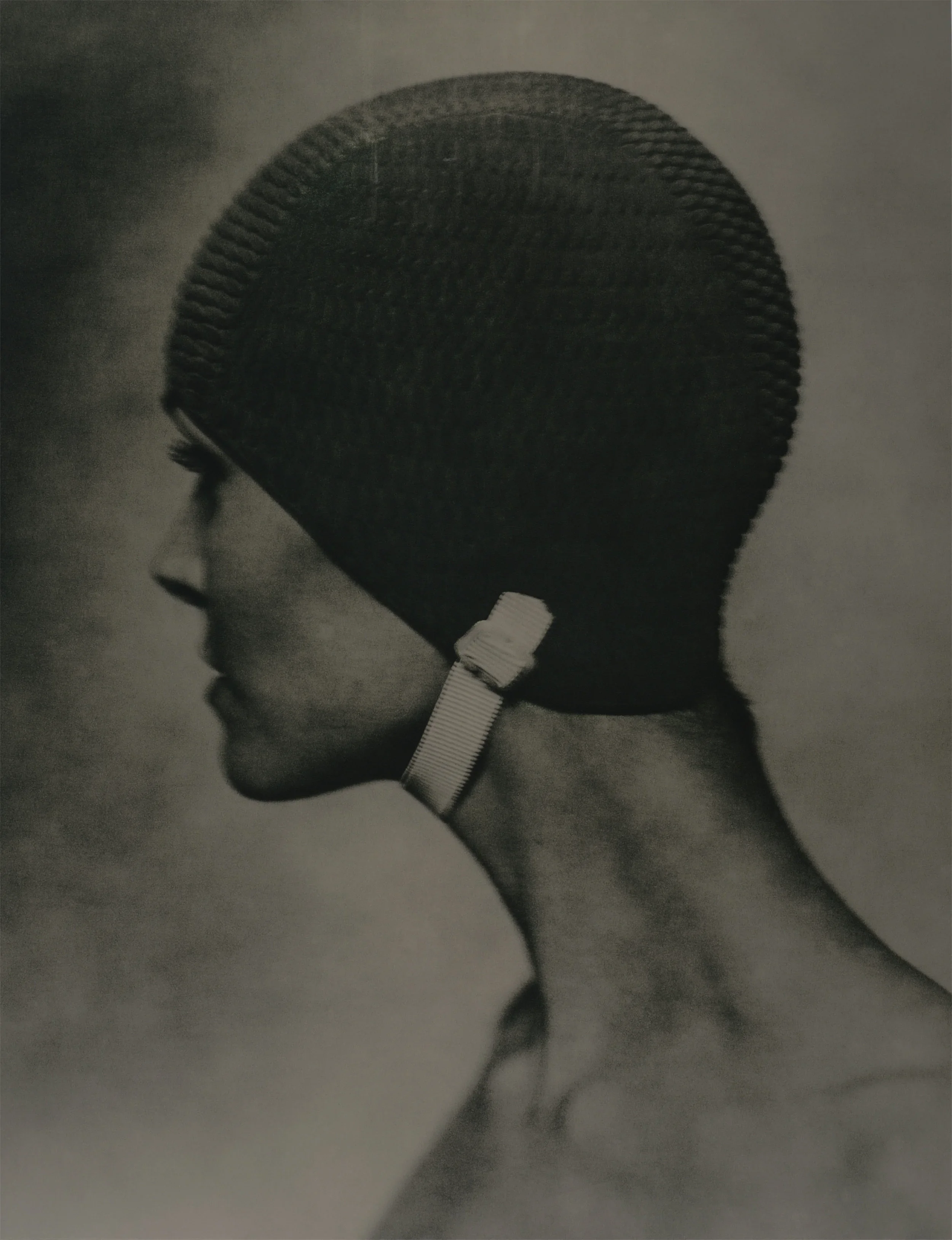
Andrew: I think we were mostly influenced by a desire to do something very different to the kind of photography we were looking at, because a lot of the portraiture out there was kind of the Annie Leibowitz, Mark Seliger school, you know, which is quite polished. We wanted to go into a very handmade direction, so we would look up much older techniques, Victorian photographs and death masks, stuff like that. That’s why lots of the portraits look a little like dead people.
Stuart: When we came out, we literally couldn’t afford to shoot polished photography, so we had to find a different way, we really had to. We just had some old kit and an old studio with nothing in it, so we had to find ways of making images that we could actually afford to produce. I think that kind of led to using the older techniques and experimenting, and stumbling across stuff that eventually morphed into the style and aesthetic that we’re now known for.
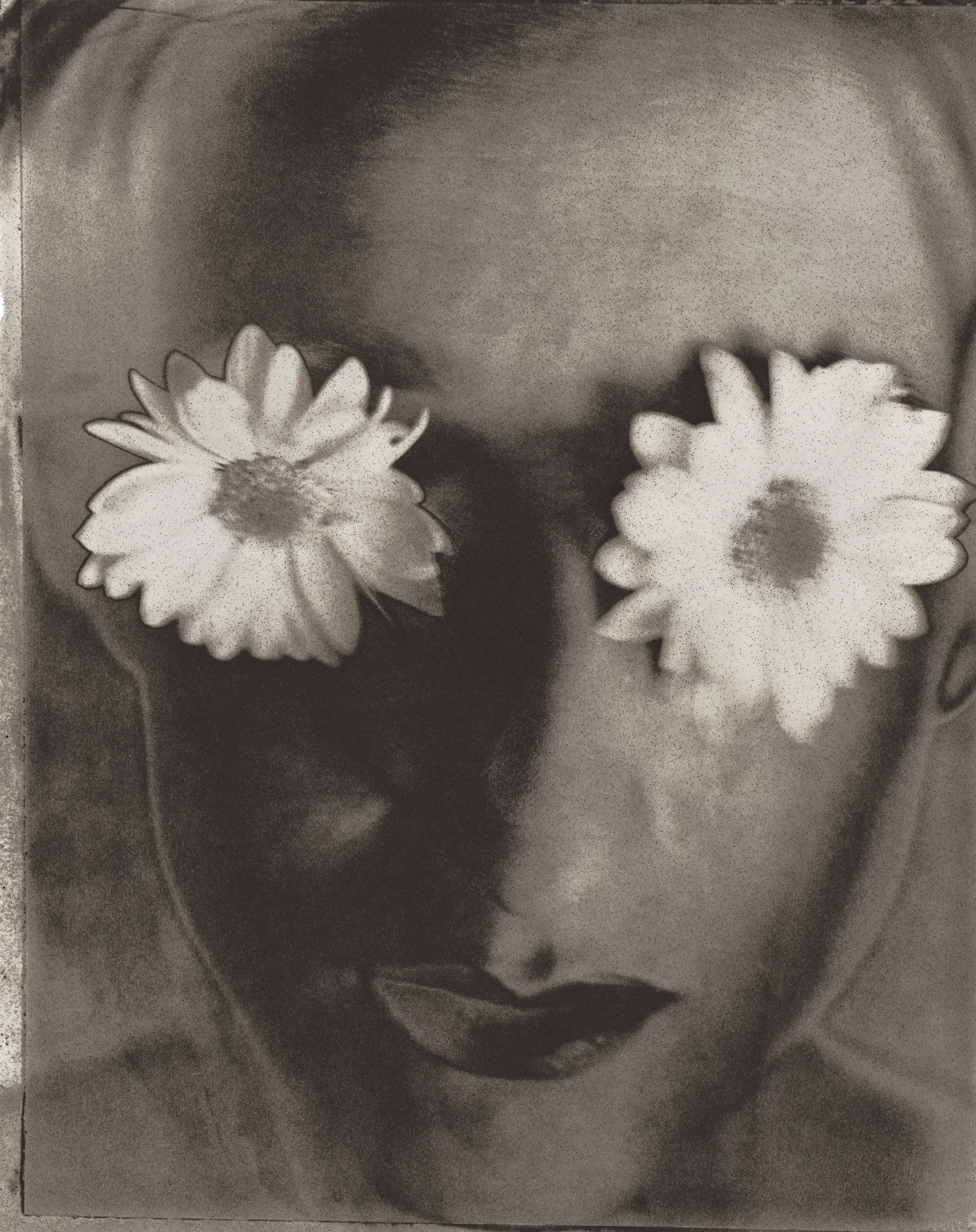
“We just had some old kit and an old studio with nothing in it, so we had to find ways of making images that we could actually afford to produce”
How did it feel when you hit on your style?
Stuart: It was really something! Because it wasn’t like a Julia Margaret Cameron any more, and it wasn’t a portrait of George Bernard Shaw. It was something kind of gothic and strange and interesting, you know? It was both modern and old at the same time.
Andrew: We started to get a lot of portrait work with it, and we were still getting some illustrative work for book covers, and stuff like that, so we had kind of two threads that were moving in parallel, and were just getting work whenever we could.
Are there any memories that stand out from that period?
Andrew: Well, I’m a huge John Le Carre fan. We did some stuff with him, and he’s been my hero ever since. He's just such a fantastic storyteller, and he mixed in such interesting circles.
Stuart: We did a book cover for him and he kind of enjoyed it, so we ended up doing more. He invited us to go to Switzerland with him to meet and photograph a real Swiss spy, who had a Russian controller that he had been researching. He went and sat with this guy, who seemed retired, and been called a traitor and we were kind of given the task of floating around the outside, and documenting it, actually almost like spies.
Andrew: You kept running into him in London, didn’t you?
Stuart: I kept bumping into him, yeah, I think he suspected I was stalking him. [Laughs]
Was there a shoot for you that was a eureka moment, of sorts?
Andrew: The Daniel Day-Lewis shoot, around the time of My Left Foot. He spent most of his time kind of sitting there and laughing with us, and that allowed something else to happen. It was a really pivotal moment. That’s kind of how that intimacy in the shots grew that became kind of a trademark. There were a couple who escaped, of course. Giorgio Armani escaped, because he had 20 set poses that he would do, and we just didn’t know what to do with it. But with most people I think we managed to get under the skin. And because of the technique, everything was a one-off print that we could never actually replicate.
Stuart: We’ve got an astonishing archive of work, not just in terms of volume of names, but in kind of one-off prints that we did.
How did you manage to lose the work that is now hanging in the National Portrait Gallery?
Stuart: Andrew was living in the States, so I had everything, and the production company I was working at was moving, so I had to get rid of everything and put it all into storage, which Andrew was actually paying for. So, we put all this work into storage and that was it. I sent Andrew little notes that I had done that, saying there were three books in there we should do. So, in a way, here was always intention to do something, even when we weren’t talking, which was for a long period of time.
Andrew: It was years and years of no talking. We always knew that there was this body of work and that we needed to do something with it, but by then, we were on the hamster wheel of keeping up with the world we had created for ourselves, so we were working, working, working… and, of course, we never went back. It was such a task to dig into that, and I think it was really emotional as well.
“We have ideas of things we’d like to do, but we don’t quite know who we are”
It must have been a difficult time between you.
Andrew: I don’t know how much Stuart felt, or how much anyone has admitted to this, but we did split and it was sad and uncomfortable for the longest time. I think the stuff in the storage, for me, even though there were things in there that I liked, represented the time we were together and I just didn’t want it, I didn’t want to deal with the emotion or what it represented, so fuck, we almost let it go. I almost let it go.
Did you have any idea the work would be seen as so significant?
Stuart: I thought it was, but then I thought it might just be significant to us. When the National Portrait Gallery validated that opinion for us, it was the first time I ever thought, "This work really has a life outside of us." That was really special, amazing, actually.
What is next for you now that you have found each other again?
Stuart: We’ve got to play off that inspiration really and back into a world that’s changed: the digital world. We’re trying to think about how, after that kind of gap, how do we jump back in, and do we jump back in as if it was the next day? Do we still use the same gear, or is that just preposterous, to use the same gear in the digital age? We just don’t know. We have ideas of things we’d like to do, but we don’t quite know who we are. We can shoot commercials and short films with our eyes closed, but we don’t know who we are as photographers and it’s a funny thing, a funny moment, because we kind of know, now that we’re together, at the same place, we kind of know we want to do some photography work and is it going to be digital, is it going to be analogue? We’re kind of going through that right now, really.
Get up-close-and-personal with artists from all over the world and unlock the mysteries of the creative mind.
Read in-depth interviews with the most exciting cultural movers and shakers shaping the creative landscape.
Discover the actors, authors, designers, mavericks and entrepreneurs at the bleeding edge of cultural life.