PEOPLE & SOCIETY: INTERVIEW
The Beauty Principle: Willie Christie
Artifice, Glamour And The Golden Age of Fashion Photography
BY JOHN-PAUL PRYOR
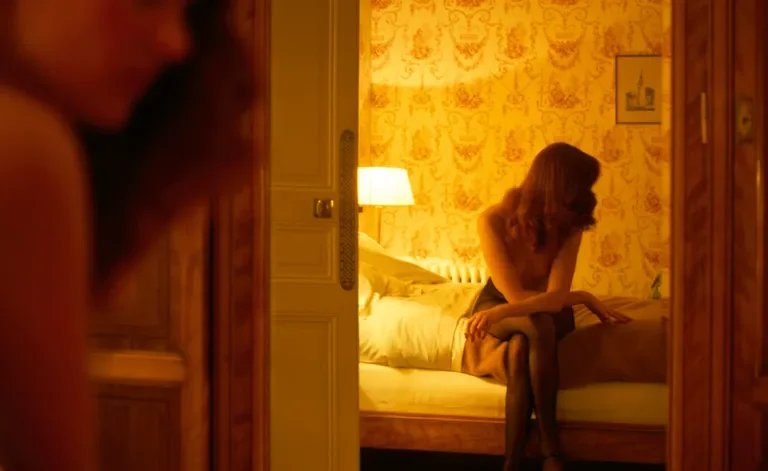
Born in the late 1940s, Willie Christie’s life curved toward the camera as if by gravitational pull, and the event that solidified his trajectory was small but decisive – a single modest commission from Over 21 magazine in 1973. From that moment on, photography was not merely an occupation for the raffish Eton dropout but a distinctive way of seeing, and interpreting the world. To speak of Christie’s ensuing work throughout the 1970s and 1980s is to speak of a sustained attention to detail that found a very large public in British Vogue – a publication he produced no less than twelve covers for. The point, however, is not the tally of successful editorials, but the persistent practice of arranging light and posture in such a way as to make an instant imprint on memory. His work for iconic brands, such as L’Oreal and Yves Saint Laurent, has the same artistic lineage – not mere commerce, but the shaping of faces and bodies into images that hold a place in the mind long after the gaze has moved on.
As such, Christie’s archive holds iconic portraits that refuse to be confined by the category of mere celebrity. For him, to photograph Jerry Hall, Grace Jones, or his Vogue editor wife Grace Coddington, was to engage with a presence already performed in the world and to find, within that performance, the human measure. His rock ’n’ roll portraits for iconic bands like The Rolling Stones, for example, belong to a language where music and image meet, overlap and extend one another, inviting re-contextualisation across decades. In both stills and his work in moving image, Christie set his subjects within impeccably staged frames that lingered with a timeless surrealist tinge, which was likely a major reason Pink Floyd tapped him for their acclaimed short film The Final Cut. On the eve of his latest show Light, Lens, Legend at Cris Contini Contemporary FUTURISTIC DRAGON met the celebrated image-maker to discuss the art of visual storytelling, and find out why art must always come from the heart rather than an algorithm.
You created legendary Vogue photography in the 70s and then transitioned to directing commercials and music videos. How did your commitment to capturing a decisive moment in stills evolve when you first approached the continuous flow of motion in film?
Paradoxically, movies were what I had aspired to since my early teenage years. Around the age of thirteen or fourteen, I was captivated by the old black and white movies that were on TV most Sunday afternoons. Although my mother never quite understood my fascination—often questioning why I watched what she considered "old rubbish"—to me, these films were treasures, filled with the magic of artifice becoming reality. The lighting in those movies held a certain enchantment, a quality that remains extraordinary even now when viewed retrospectively. Looking back at those old films, the lighting was truly remarkable. It was the first era where movie lighting was being explored, not simply a tried and tested style, but something new and fresh. The lighting was used to establish mood – bright when the atmosphere was light, dark when the tone shifted. Faces were beautifully illuminated, and the interplay of light and shadow in black and white was particularly striking. These techniques showed how mood could be conveyed visually rather than simply through narrative.
Do you believe a single photograph can convey narrative as effectively as a moving image, or does it serve a different psychological function for the viewer?
Yes, I do. I think the difference is that a still photograph allows us to observe someone else's life from a distance. We act as onlookers, not participants. There is a sense of detachment, where we are simply witnessing events unfold without becoming involved ourselves. In contrast, films draw us in, enabling us to engage and immerse ourselves in the story. We identify with movie characters, imagining what we might do if faced with similar circumstances. The fantasy element comes into play: perhaps we admire the bravery of a character and wonder whether we would act the same way or ask ourselves how we might respond if the situation were ours. Take, for example, the iconic image by Cartier Bresson from early 1954, featuring a boy carrying two large bottles of wine. The photograph captures his happiness and relaxed attitude, prompting curiosity about his destination and family. Where does he life? Who are his parents? Is he going to be given a glass, or not? The picture stands on its own; I do not wish to alter anything about it. The story is fixed, leaving us to wonder and speculate without further involvement.
In a movie, however, we are carried along with the narrative and are about to discover what happens next – if at all. There are countless possibilities. I find myself within the movie; in every film I watch, I am present in some form. Sometimes I am simply watching events unfold, at other times I become the hero or even the antagonist. I wonder how I would handle a confrontation with Sean Penn in 'One Battle Too Many'!? Michel Gabriel with two bottles of wine? I do not want to change anything—it IS what it is. Don McCullum's work operates on a different level. He provides a window into the lives of others, showing us what is happening to these people. There is no fantasy or imagining ourselves as part of their experience; instead, he brings us directly into their reality. We witness the tragedy and brokenness of his subjects, but we remain outsiders looking in, moved by what we see. If someone is creating a ‘life, imagined or simply captured whether in photo, film or painting, I want it to make me wonder. About the life it is showing me. Fantasy or reality; in one way or another.
“A still photograph allows us to observe someone else's life from a distance. We act as onlookers, not participants.”
At that time, opportunities in the film industry seemed limited. When I was invited onto a movie set, I quickly realised that starting out as a tea boy and working my way up was not a path that suited me. Observing a runner making tea, I knew instinctively that this was not the direction I wanted for myself. Not long afterwards, my sister’s boyfriend, a photographer, needed an assistant. I volunteered, despite lacking any experience. I stayed for a year, during which I discovered that photography was a wonderful way to be creative. I learned about light, colour, and composition, and worked with people—not simply serving tea. This experience confirmed that photography provided the creative outlet I sought.
When I began taking my own pictures, the influence of old movies was evident. Stories and cinematic moods permeated my work. By the late 1960s and early 1970s, new Hollywood films further inspired me. Every image I created carried an internal narrative—often a love affair or a character just out of frame. While I shot everything in a two and a quarter square format for quality, I was always drawn to the movie format and storytelling approach. Then directing commercials was a practical extension of this storytelling instinct. I learned to express a story within thirty seconds or a minute, which required a different discipline. There was sometimes criticism that those who worked in commercials and then moved to films that they were too focused on brevity and needed to learn to handle longer formats. Perhaps that was true, but ultimately, my journey was organic and somewhat reversed. My path moved from the desire for film, through photography, and back to moving images, each step part of a continuous creative process.
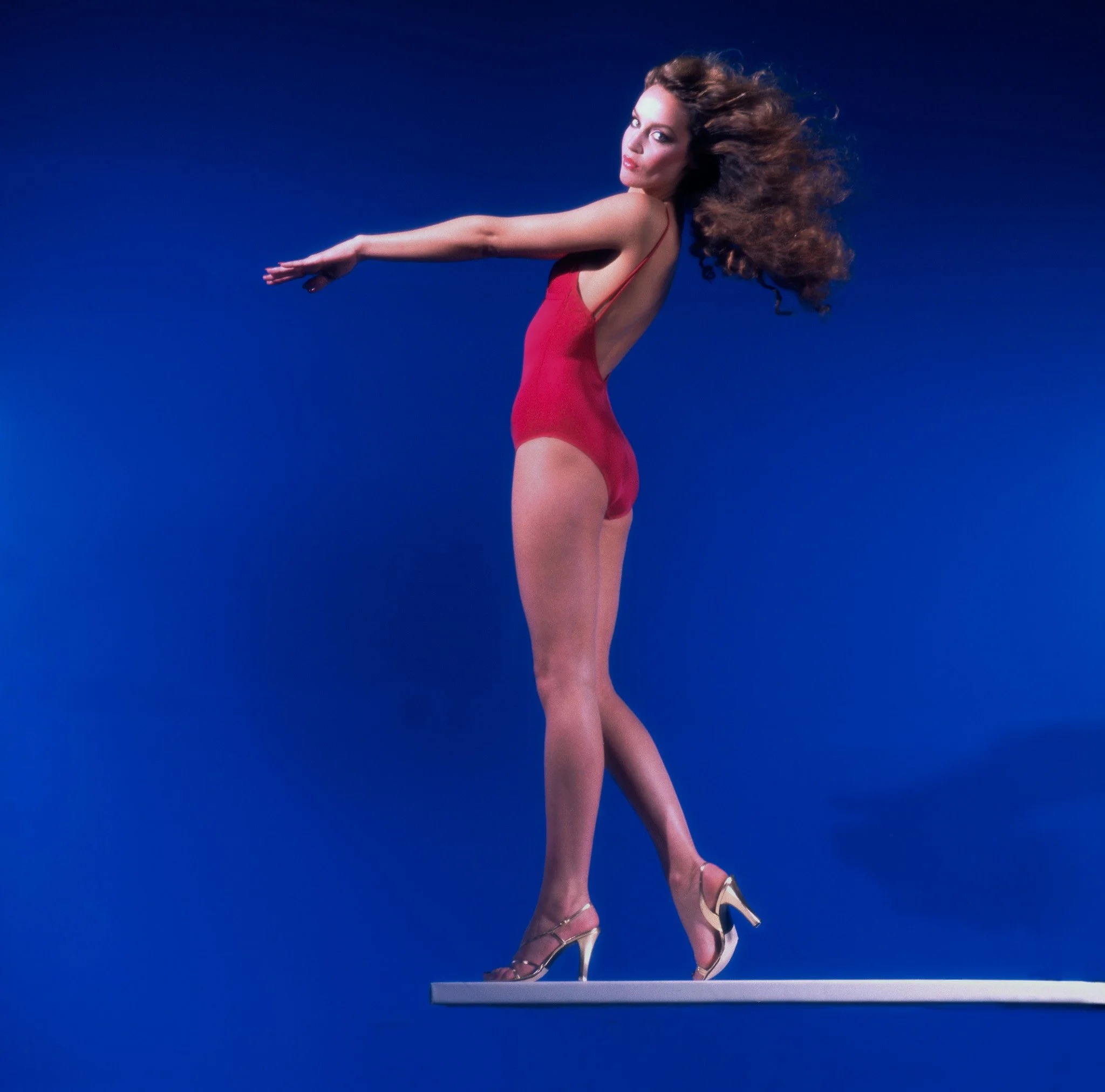
“My path moved from the desire for film, through photography, and back to moving images, each step part of a continuous creative process”
You have often spoken about the profound inspiration of your ex-wife Grace Coddington as your muse and collaborator. Where would you say, in general, the photographer’s vision ends and the subject’s influence begins?
How fortunate I was! Grace was at the height of her powers at Vogue as fashion editor. She had grown out her hair into that splendid Titian display. She was a new Grace. Looking at her earlier modelling pictures, there is nothing like she looked then. It was totally inspiring to me. I would have an idea. I would tell her. She would respond. Then she might suggest ‘a look’. This would inspire me further. And so it went. Back and forth. Changing. Growing. We knew each other well in this respect. We trusted each other. I knew that she would always give me more. Never to take a wrong step. Once again, the creative collaboration that I loved. That she loved. Never an ego that just had to be proved right on every occasion. I didn’t know about clothes. Where they came from What was in the moment. We always seemed to land creatively together.
You have photographed countless legends from Grace Jones to David Bowie and The Rolling Stones. When working with people who already have a powerful public persona, how do you approach finding an authentic or ‘new’ version of them?
I was never sent a legend and simply told to get on with it. Usually, I was given a location and a sense of what was needed: the Stones at the Beatles’ Apple HQ in Savile Row while they rehearsed; Bowie on location for The Hunger, Tony Scott’s film. I saw the rough cut, read the script, understood what it was all about, and brought my own feeling to it. Cary Grant was in a hotel in Bayswater promoting some product — Lentheric, was it? Grace Jones did actually come to my studio but fashion editor Michael Roberts and I had talked it through beforehand: keep it simple. She is an actress, after all, with the leather, the whips, the snarl. Luckily, I also managed to catch her at rest, eyes closed, almost graceful, you might say. The Stones were different. They did not want me there, so I had to stay very quiet and very still. I was terrified they would throw me out. But what worked was that they all seemed half asleep, lost in their own thoughts, reflective, while Jagger was doing his thing — dancing, prancing, moving, bending, twisting. I do not think Keith spoke a word. So, the pictures are different from the usual ones: they are in their own world, not mine, not reacting to my lens or catching sight of me in the corner of their eye and adjusting themselves because of it.
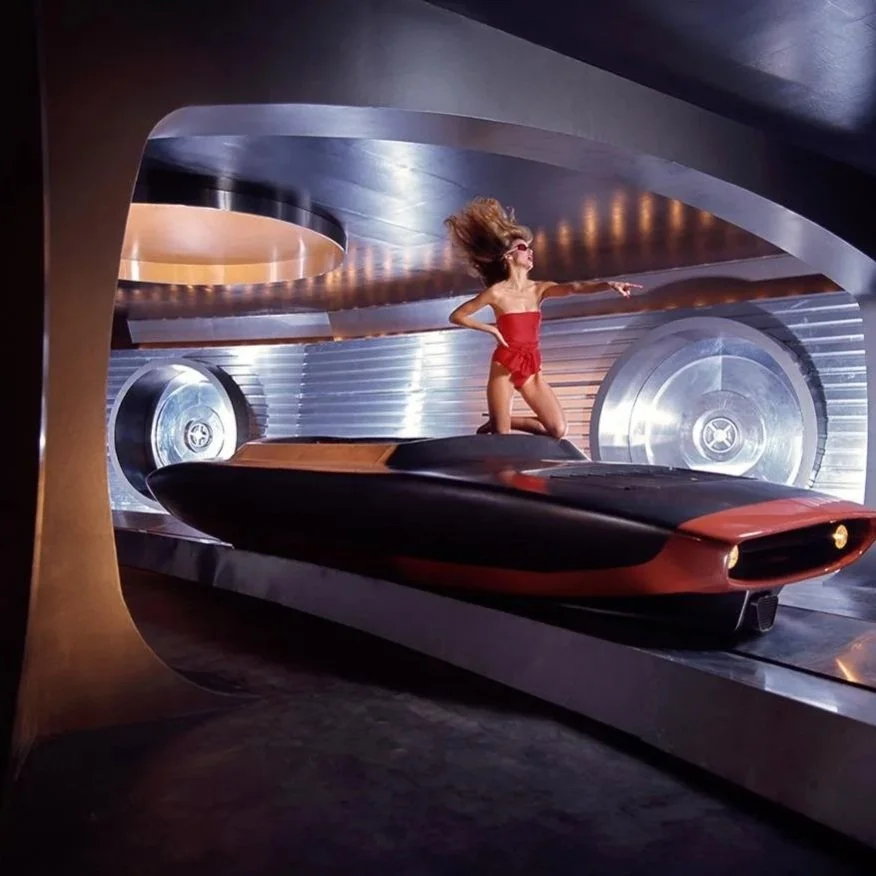
“Art in any shape or form, in my view, should come from the heart. The soul. The subconscious. Not an algorithm”
How has the passage of time changed your emotional relationship on the images you took in the 1970s and early 80s? How did you choose the images for this latest show?
Last year I became professionally involved with an experienced curator, Carola Syz. Under her guidance we put together a couple of presentation sheets, which she then took to galleries she knew, mostly in Europe. Based on one of those sheets, Contini agreed to show the work. When we all met to discuss images, numbers and sizes, one or two of the images changed, but the selection remained basically the same as Carola had originally chosen. This was a great help to me, as I can find it difficult to choose images when I know them so well. I may feel tired of them one day, only for them to spring to life again the next when someone tells me an image is interesting. But there can be creative clashes of course. Why did so many bands split back in the day! Age can cast a kind of metaphorical patina over ‘older’ images. My book is called Then & Now for that very reason. I have been told that the work I made then, still feels relevant now. It has travelled across time, I think, in its look, its style, and I hope in the narratives that the images carry. Nostalgia is a very interesting thing. We can look fondly at an image from, say, 1974 or even 1936 and think back to that time as we understand or remember it. But what we tend to forget is the personal discomfort that may have existed then — the overdraft, the broken toe, the struggle to be recognised. None of that shows … now.
Having won major awards in both advertising and film, do you see a fundamental difference between art created to promote a product and art created for self-expression, or do you think those supposed boundaries often overlap in unexpected ways?
A question of our times. Art — let us say, simply — is human expression. Think of television advertising in the 1970s and 1980s: Hamlet cigars, The Guardian’s ‘Skinhead’, Benson & Hedges, Ridley Scott’s Barclays ad, ‘I am NOT a number’ — all ahead of their time, and there were so many more. They were slices of life, stories told from the heart, shaped with humour, observation and certain home truths. They were cast and made with thought and care, always beautifully shot. A single frame could have been lifted out and hung on your wall. They expressed ideas and feelings in the service of selling a product, yes, but they did so with wit, craft and humanity. I see very little of that today, if I am honest. If anything, what we have now is sledgehammer advertising. So yes, art and advertising do overlap, I suppose: both use images to engage us, and, one hopes, to make us think.
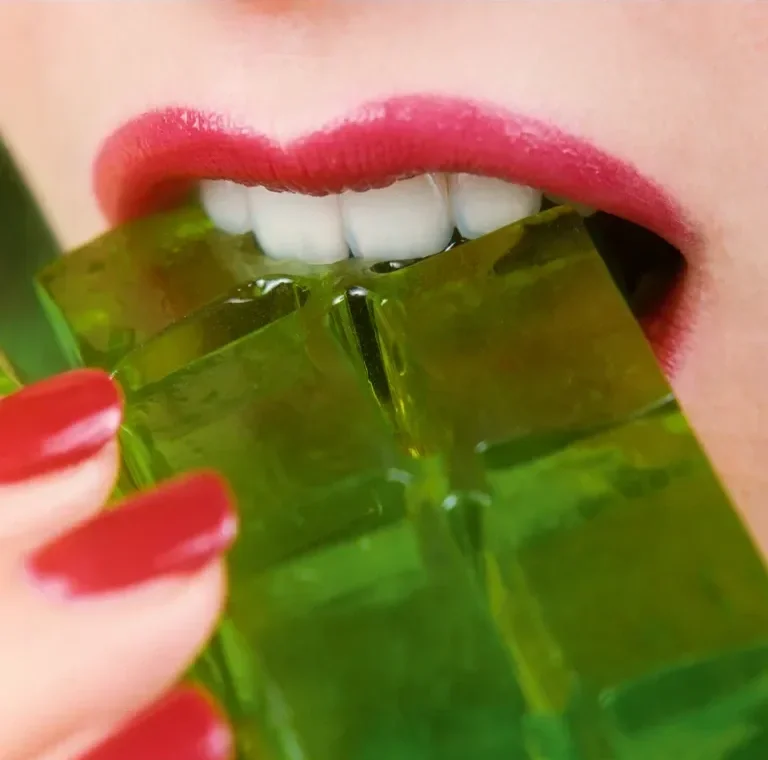
“When I began taking my own pictures, the influence of old movies was evident. Stories and cinematic moods permeated my work.”
As an image-maker, how do you feel about today's digital-first maximum output aesthetic? Also, what are your thoughts upon the seemingly unstoppable rise of AI? How do you see it impacting cultural expression for better or worse?
Another question of our times! Discernment, I believe, is an invaluable trait. I love AI and I hate it. Only this morning I read about schoolchildren’s faces being deepfaked onto inappropriate images for money. Disgusting. AI-enabled scamming is growing and growing. And yet I have a friend making AI films, and they are extraordinary. But will we ever become truly immersed in lives conjured by a machine? I use a little AI in retouching some images. What I do not let it do is become the image. If an annoying vehicle slipped into frame at the wrong moment, I think it is all right to remove it. Retouching has been around almost as long as photography itself. But a few years ago, an AI-generated image was chosen as the winner of the Sony World Photography Awards. The main curator of the show is a friend of mine, and deeply knowledgeable about photography. He was gutted that he had helped it win. That he had been fooled. So: the image may have been interesting, perhaps. But it was not a photograph. It was made by another process. I cannot paint to save my life, yet painting also produces a still image. The result may look adjacent. The process is not the same.
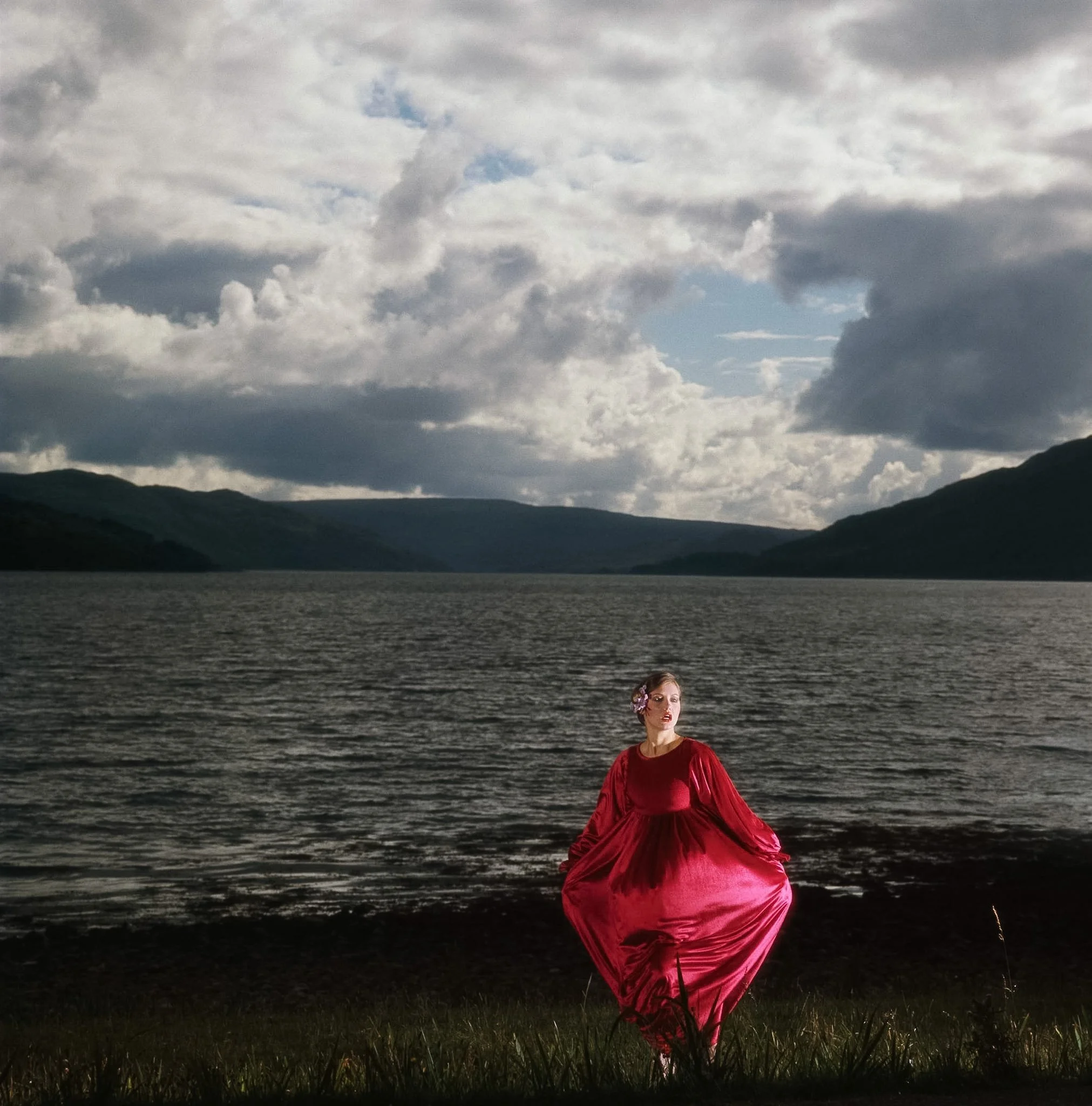
“I think it is only a matter of time before most fashion pictures are done by AI. It is not far off now. Much of it feels soulless to me.”
The fact that an AI generated image can surreptitiously win a photography award is quite terrifying …
I think it is only a matter of time before most fashion pictures are done by AI. It is not far off now. Much of it feels soulless to me: no mood, no narrative, no real atmosphere. Back then, we did catalogue work for the money. Just show the frock. Every stitch. And now here we are, with so much of today’s fashion imagery feeling just as flat. Dull. There are exceptions, of course. Some people are using AI as an enhancement, and that is fine. But old fart that I am, I am still a purist. Art in any shape or form, in my view, should come from the heart. The soul. The subconscious. Not an algorithm. If humankind were grown-up, and even moderately sensible, AI would be fine. But we are not. Greed. Mindlessness. A general failure of discernment. We only must look around. So yes, I think AI is both terrifying and brilliant. For medicine, absolutely. Driverless cars? Hmm. We shall see. I like driving, so I am not wildly enthusiastic. Kubrick did it first: HAL. How frightening was HAL? It will happen, for better and for worse.
Light, Lens, Legend: Willie Christie runs from 14–30 May 2026 at Cris Contini Contemporary, in collaboration with Carola Syz Projects
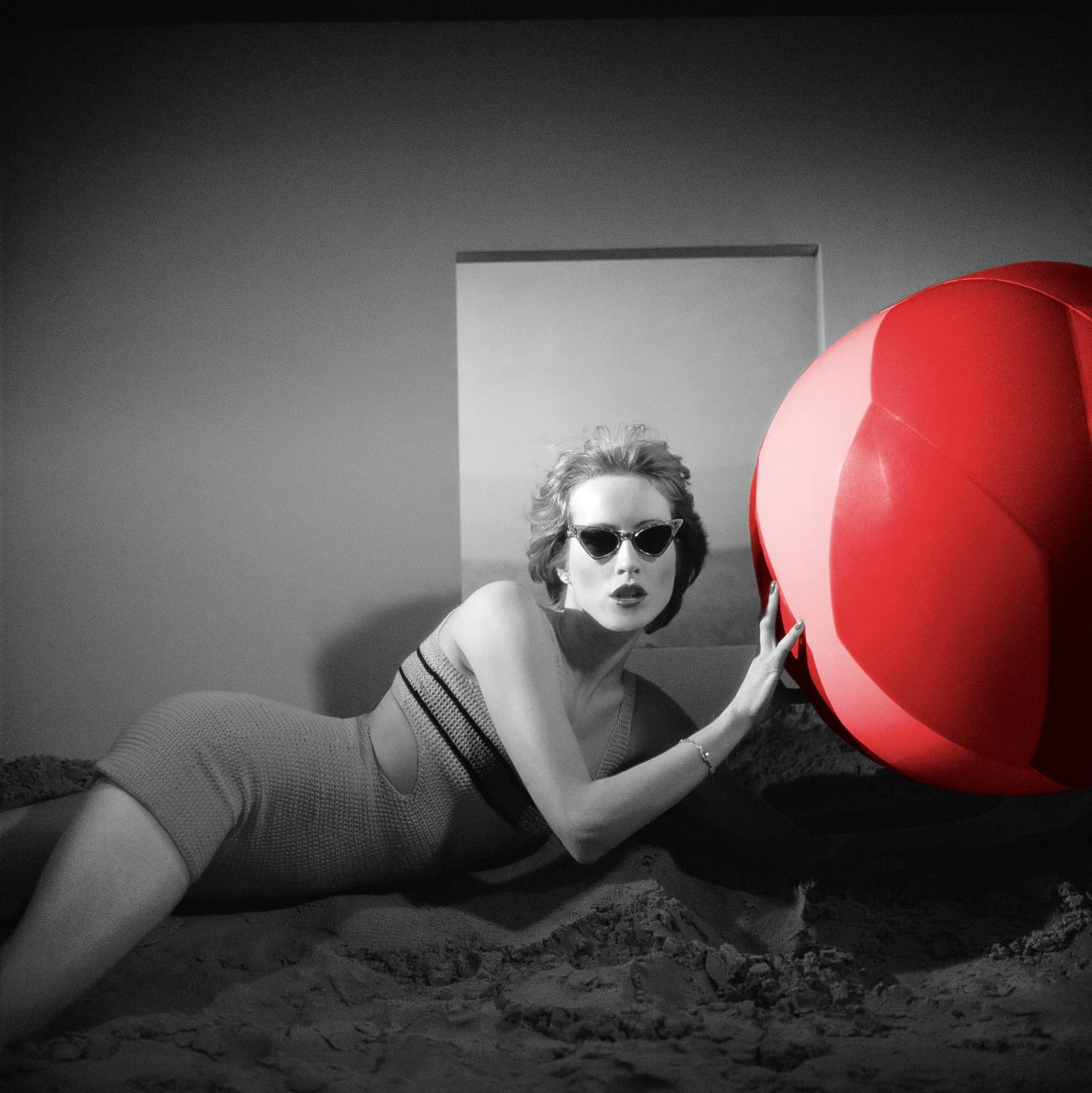
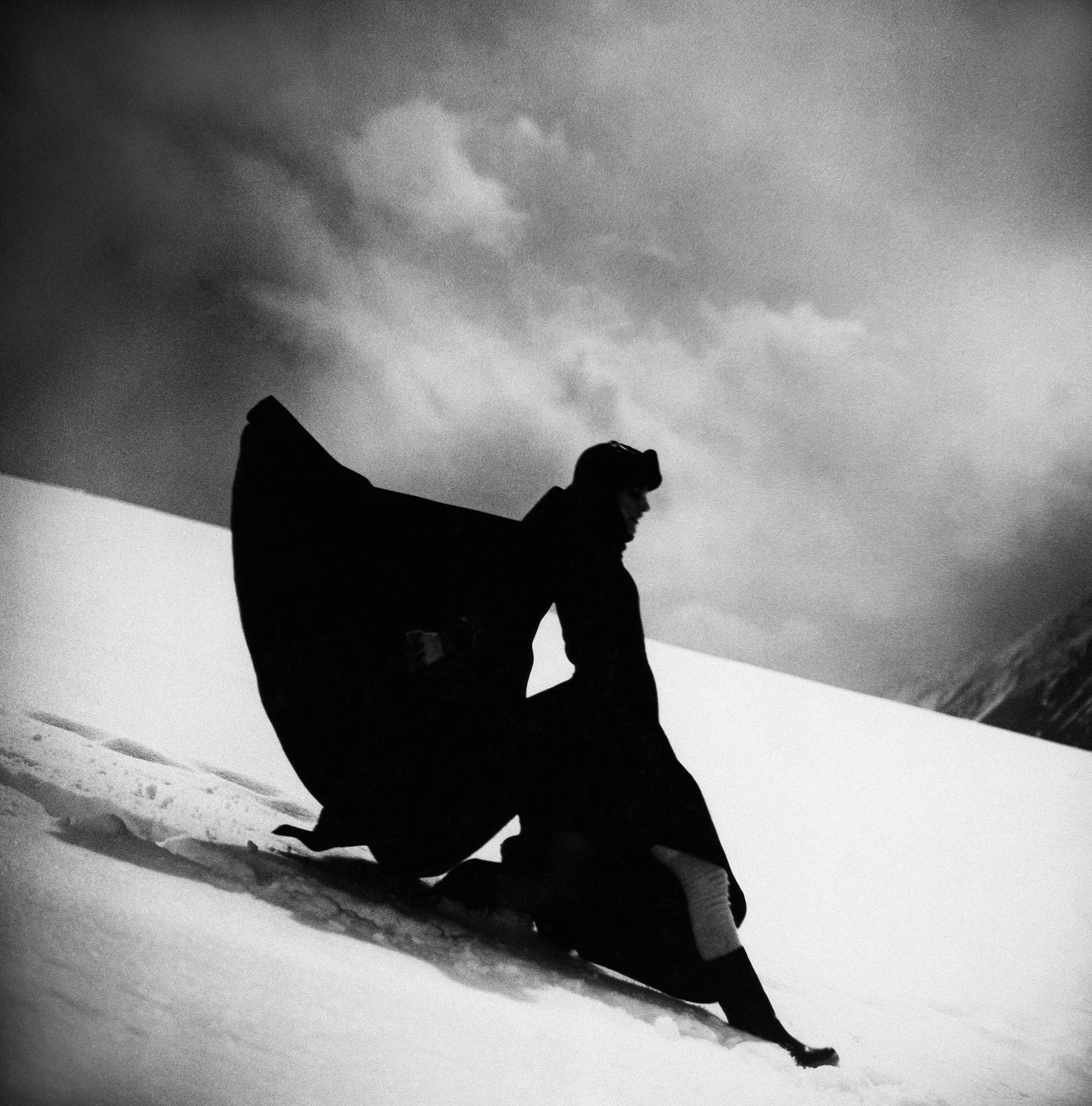
Images: Grace Coddington on honeymoon; Jerry Hall 1976; Balloon; Untitled; Jerry Hall in Vogue, 1977; Marcie Hunt for British Vogue; Jerry Hall in Vogue, 1977
Get up-close-and-personal with artists from all over the world and unlock the mysteries of the creative mind.
Read in-depth interviews with the most exciting cultural movers and shakers shaping the creative landscape.
Discover the actors, authors, designers, mavericks and entrepreneurs at the bleeding edge of cultural life.